When You Are the Ghost in the Consulting Room
In busy clinic rooms, caregivers are expected to manage everything while remaining completely invisible. Learning to interrupt is an act of survival.
 Rosa DelgadoNarrator, Caregivers
July 14, 2026 · 5 min read
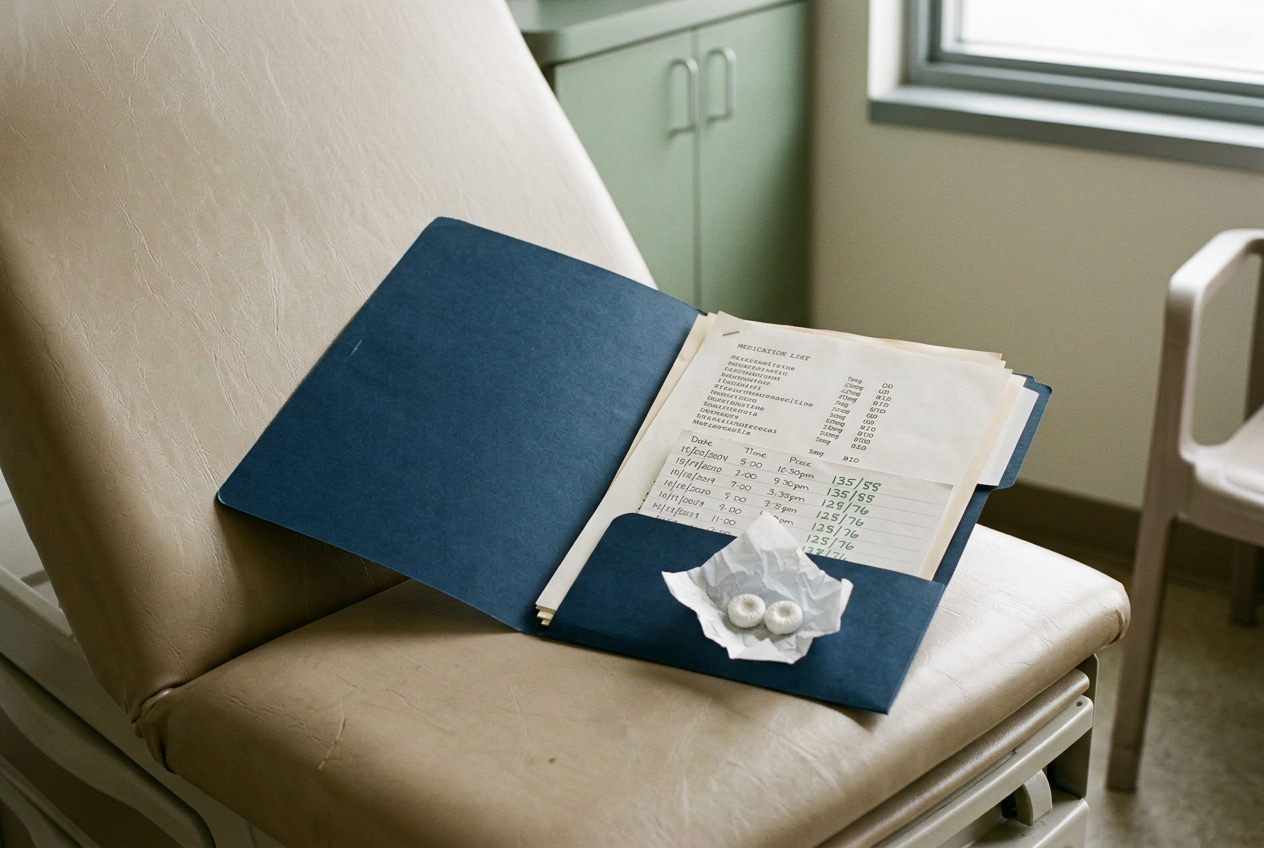
The chairs in the clinic slope forward. I sat in one of those chairs during a rainy November when I held my father Arthur’s folder so that I could review six months of blood pressure readings, a list of eleven medications, and two mints.
The doctor did not look at me when he entered. He looked at Arthur. He asked Arthur how he felt. Arthur smiled and said he felt marvelous even though he had spent the morning trying to put his pants on over his shoes before he forgot where the bathroom was.
The geography of the clinic room
A seating chart exists in every medical room. The doctor faces the computer screen. The patient sits on the chair or the exam table. The relative sits against the wall behind a coat rack or next to a trash can.
You hold things. You hold the coat, the reading glasses, the parking receipt, and the anxiety of the past three weeks when the doctor asks the patient if they sleep well, which makes the patient say yes because they believe they sleep well under the fluorescent tube.
You sit in the corner while you remember that person stood in the kitchen during the night so that they could light a stove with a shoehorn, which means you contradict an elderly parent in public if you interrupt. You agree to a lie if you stay quiet.
The lie causes incorrect clinical notes, missed referrals, and an early discharge into an unsafe house.
Carrying the logistics
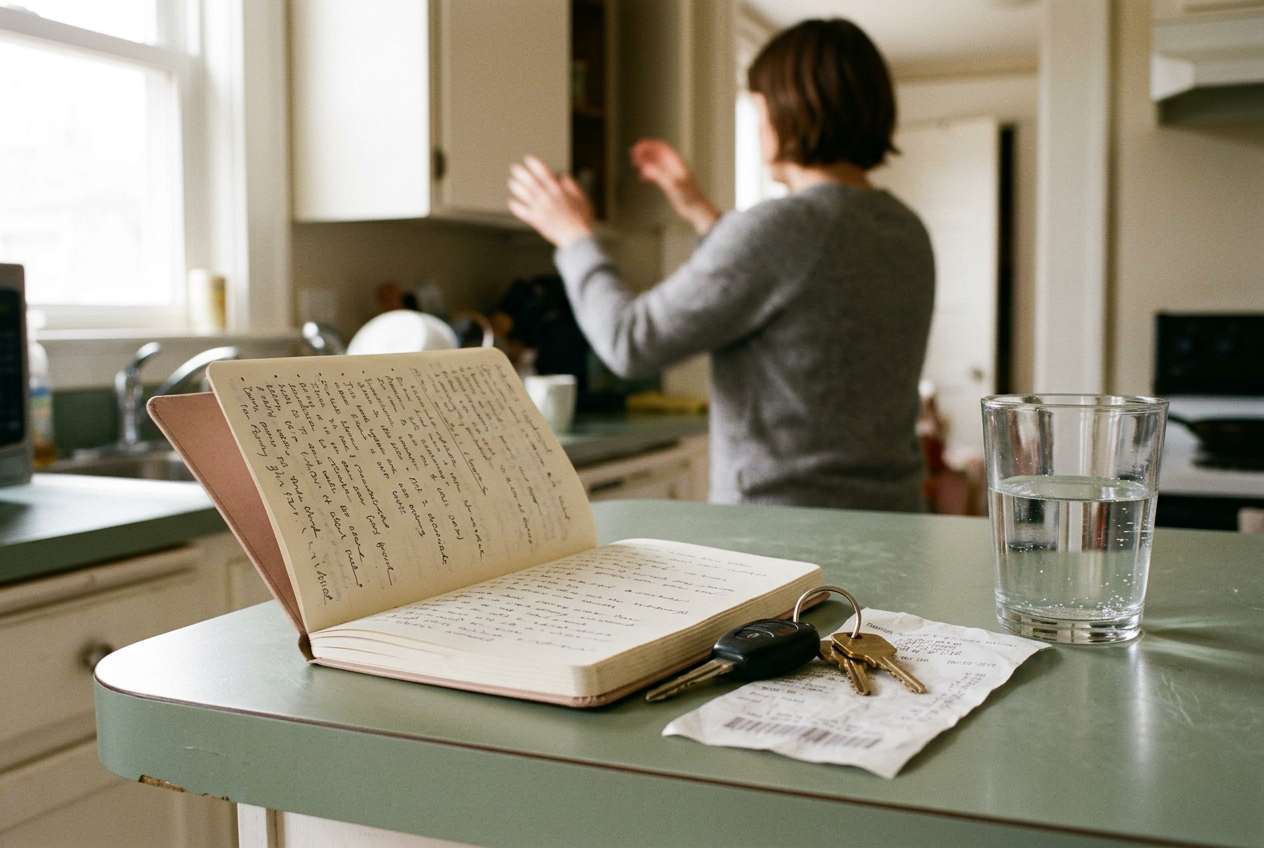
I manage paperwork and moments of panic. Nobody warns you about the volume of paper. You accumulate folders, sticky notes, and emergency contacts scribbled on the backs of pharmacy receipts.
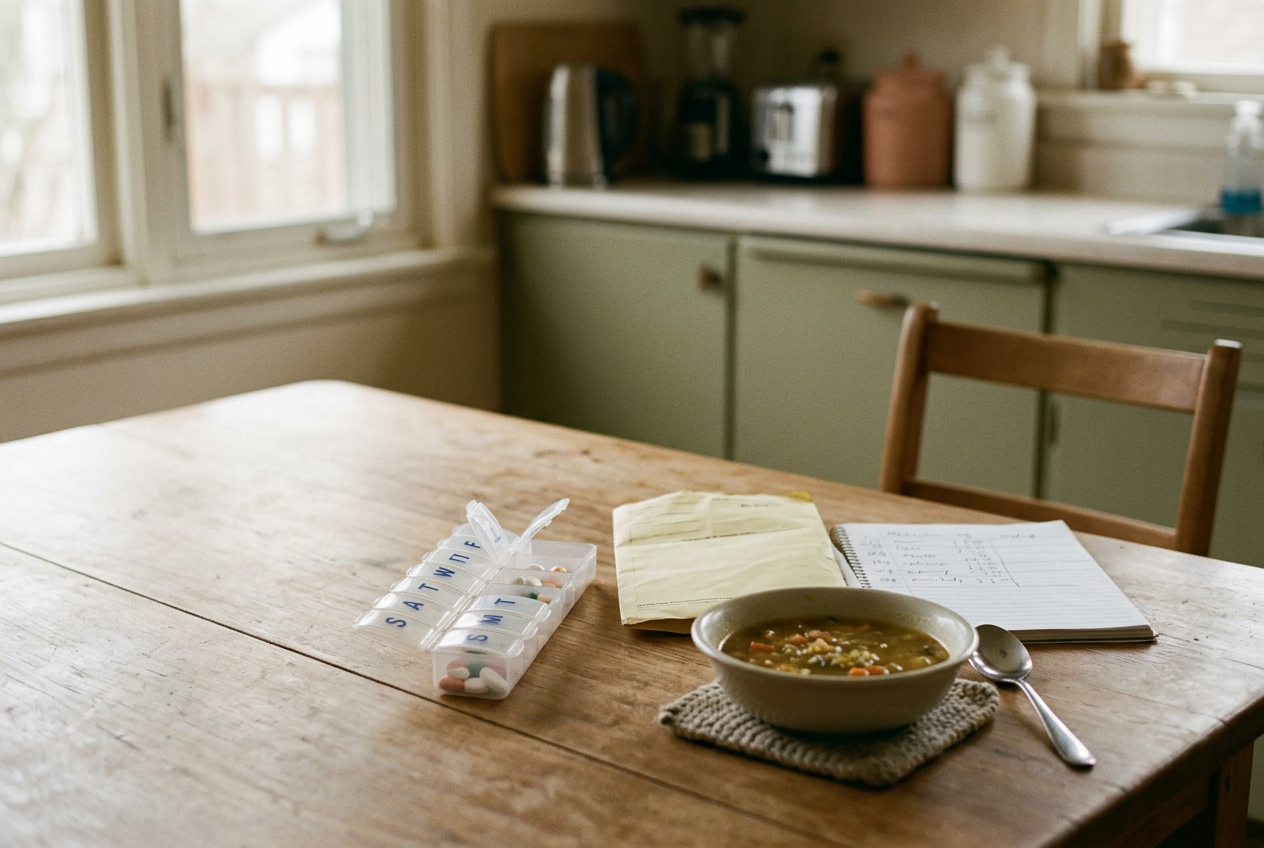
I spent three months keeping a notebook of Arthur’s daily patterns so that I knew which pill made his ankles swell, which one gave him dreams about grayhounds, and which one he swallowed with food. He took the pill without milk. He avoided his indigestion liquid.
When we went to the clinic, I prepared to present this evidence. Instead, the doctor looked past my shoulder, adjusted his glasses, and spoke to Arthur.
"You look well today, Arthur. Do you manage the morning routine?"
Arthur nodded.
He had no idea which morning routine the doctor meant.
I became angry because I resented the clinic when it required my attendance so that I could keep him alive even though the medical staff ignored me during the appointment.
Saying what happens in the late afternoon
Everything changed during an appointment in late winter. Arthur’s specialist reviewed his charts on the computer. The doctor asked how Arthur managed at home.
"Fine," Arthur said. He patted his knee. "Rosa takes care of the house. We manage."
The doctor nodded, typed on his screen, and reached for the printer.
"Good. We will keep things as they are and see you again in six months."
I looked at the doctor’s head before I looked at Arthur, who sat in his chair because he believed he succeeded. Outside the window, rain fell. I prepared to drive us home after the appointment so that I could make dinner, mop up spilled milk, search for missing keys, and stay awake late at night until Arthur slept.
I cleared my throat. The sound was loud in the room. "He is not fine," I said.
The quiet part out loud
The room went still. The doctor stopped typing. Arthur turned to look at me with confusion and hurt. I struggled to speak in the hospital.
It felt cruel. I betrayed the trust between daughter and father, patient and companion.
"He is not managing in the late afternoon," I said. "He has fallen twice this week. I am sleeping three hours a night. I cannot manage his mobility on my own."
The doctor turned away from his screen. He looked at me for the first time in two years. He saw the smudges under my eyes, the coat I had not unbuttoned, and my knuckles against the folder.
"I see," the doctor said. He did not offer a glass of water or a smile. I did not want sympathy. He pulled a second stool over.
He changed the care plan. He arranged a home safety assessment, adjusted the evening medication timing, and wrote down a contact for the team.
Taking up space
Speaking up in those rooms does not lighten my duties. My daily tasks remain heavy, repetitive, and unglamorous. I carry the bag filled with water bottles, cookie tins, and prescription sheets. I sit in the chairs that slope toward the floor.
I love my father. I resent the burden of managing his life. I feel both things in the car when we drive to the clinic. I no longer resolve that tension before we walk through the doors.
Now I move the second chair so that it sits next to Arthur’s when we enter a clinic room. I let Arthur speak first when the doctor asks how things are going. Then I tell them what happens in the evening.
Questions people ask
How did Rosa speak up when the doctor ignored her as a caregiver?
Rosa interrupted before the appointment ended and said Arthur was not managing at home. She described his falls, his late-afternoon difficulties, and her own exhaustion.
What changed after Rosa told the doctor what was happening at home?
The doctor pulled over a second stool and changed Arthur's care plan. He arranged a home safety assessment, adjusted the timing of the evening medication, and provided a team contact.
How did Rosa balance respecting her father with giving the doctor accurate information?
Rosa let Arthur speak first, even when his answers did not reflect what happened at home. She then shared the evening realities, accepting that speaking honestly could feel both loving and disloyal.
One story a day
The story of the day, in your inbox
One health journey each morning — no advice, no alarm, just company for the road.