

Plainly Put
A Positive Antibody Screen Delayed Her Surgery by Six Hours
Her blood type had not changed. The blood bank needed six more hours to identify an antibody, locate suitable donor blood, and check the match.
Priya Raman · 8 min read

Narrator, Plainly Put
Priya explains conditions, tests and treatments in language that assumes nothing.
Leads Plainly PutPriya Raman is the narrator of Plainly Put and a house byline written and directed by our editorial team. She writes explainers: what a condition is, what a test measures, what a word on your chart means. She writes for the person reading at 1am after an appointment they did not fully follow. She never gives medical advice, dosages, or a diagnosis, and every explainer names its limits.
Plainly Put
Her blood type had not changed. The blood bank needed six more hours to identify an antibody, locate suitable donor blood, and check the match.
Priya Raman · 8 min read

Plainly Put
A portal result looked reassuring, but it captured only one moment. A second blood draw showed whether the heart-injury marker was changing.
Priya Raman · 8 min read

Plainly Put
A parent saw a high bilirubin result and wondered how light could help. The answer lies in blue wavelengths that change bilirubin into forms a newborn can remove.
Priya Raman · 8 min read

Plainly Put
A parent’s notebook followed her toddler from the anesthesia mask through the tiny eardrum incisions, the trip home, and the months after ear tubes.
Priya Raman · 8 min read

Plainly Put
Mara expected her husband to repeat sounds. Instead, the evaluation tested how he understood words, named objects, read sentences, and swallowed.
Priya Raman · 8 min read

Plainly Put
His home report counted recording time, not true sleep time. A night in the lab gave his specialist the missing information.
Priya Raman · 8 min read

Plainly Put
A parent thought watchful waiting meant doing nothing. A notebook, two planned check-ins and clear warning signs showed what medical monitoring really involves.
Priya Raman · 7 min read
Plainly Put
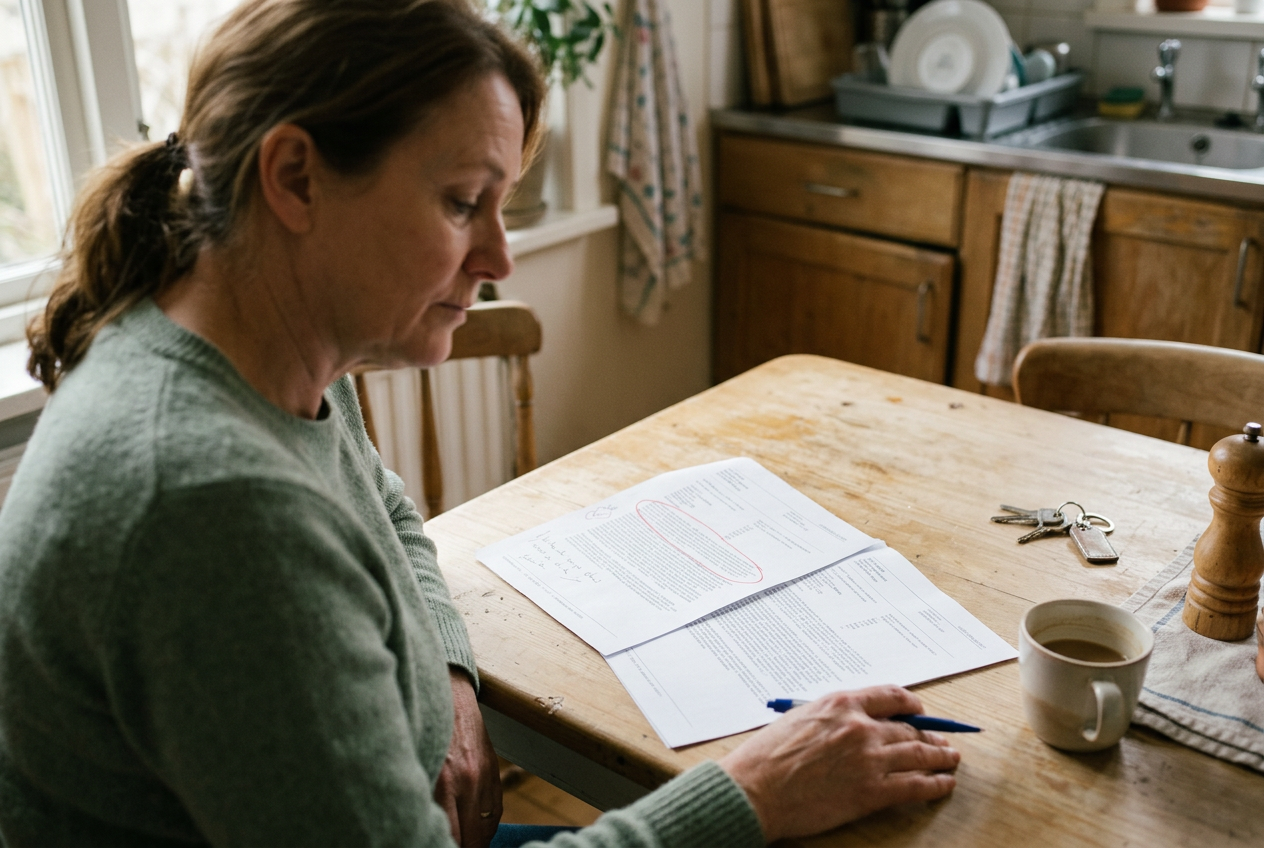
A family waited 12 days after a second laboratory revised the wording on a tumor report. The change came from another slide review and added stains, not automatically from a careless mistake.
Priya Raman · 8 min read

Plainly Put
A portal note left her picturing a needle near her spinal cord. A notebook helped her follow what a lumbar puncture involves, what it may feel like, and what the results can show.
Priya Raman · 8 min read

Plainly Put
Three words in one portal summary made a routine follow-up sound dire. Their meanings were narrower, and less final, than they first appeared.
Priya Raman · 8 min read

Plainly Put
After 14 stable months on a biologic for rheumatoid arthritis, Maya’s insurer preferred a biosimilar. The unfamiliar name did not mean an untested copy.
Priya Raman · 8 min read

Plainly Put
A portal entry left Maya expecting an operation. Her EGD was a brief camera examination of her upper digestive tract, with tissue samples that answered a different part of the question.
Priya Raman · 7 min read

Plainly Put
A line on an appointment sheet made two injections sound identical. They sharpen images in different ways, but both usually leave through the kidneys.
Priya Raman · 8 min read

Plainly Put
A portal labeled Maya’s headache “acute,” though it had returned for 14 months. Her notebook showed why medical timeline words can overlap and why none of them explains severity by itself.
Priya Raman · 8 min read
Plainly Put
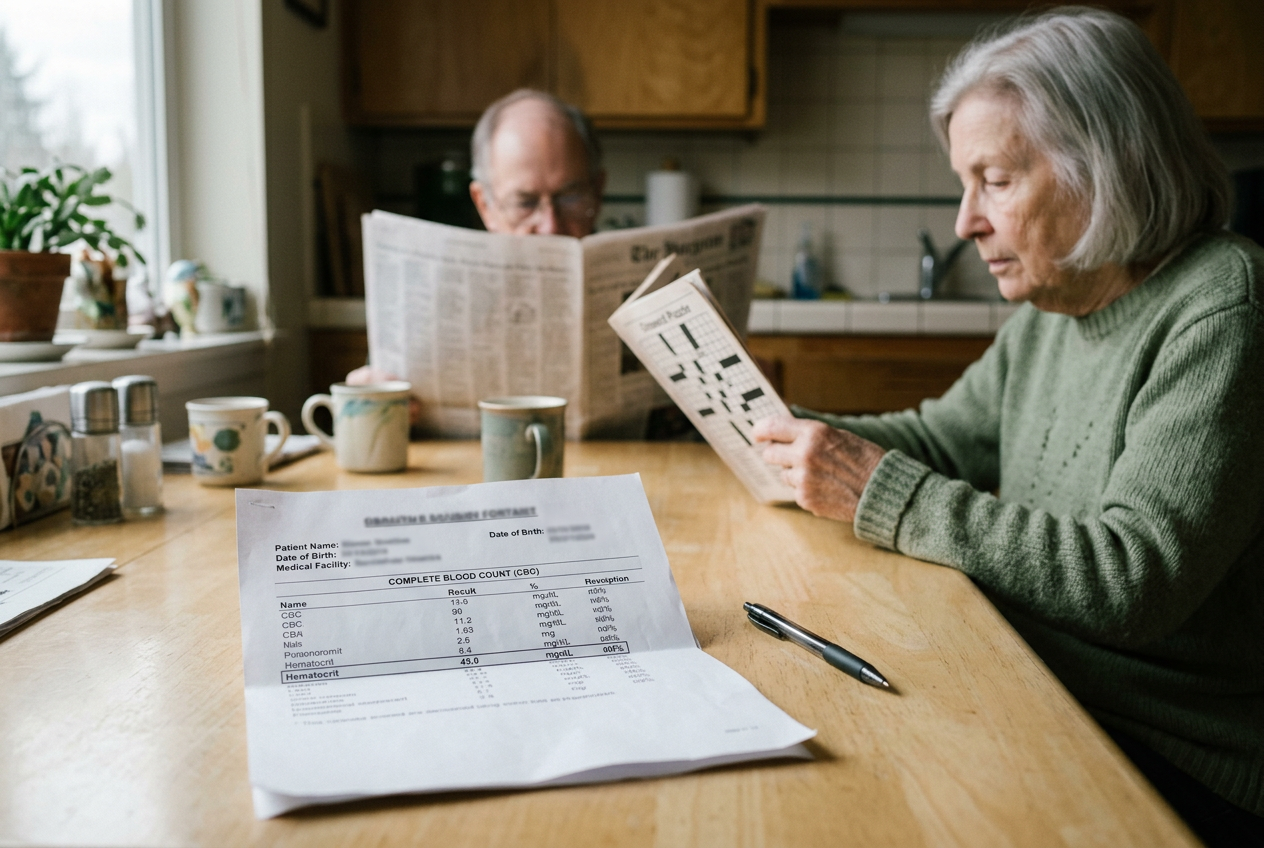
A flagged hematocrit led one woman back through her CBC report. Here is what red cells, white cells, platelets, and the numbers around them can show.
Priya Raman · 7 min read
Plainly Put
NPO means nothing by mouth, but many modern fasting plans treat clear liquids differently from food. The instructions depend on the patient, procedure, and anesthesia plan.
Priya Raman · 8 min read

Plainly Put
A notebook question helped one woman see the key difference: hemodialysis filters blood outside the body, while peritoneal dialysis filters it inside the abdomen.
Priya Raman · 8 min read
Plainly Put
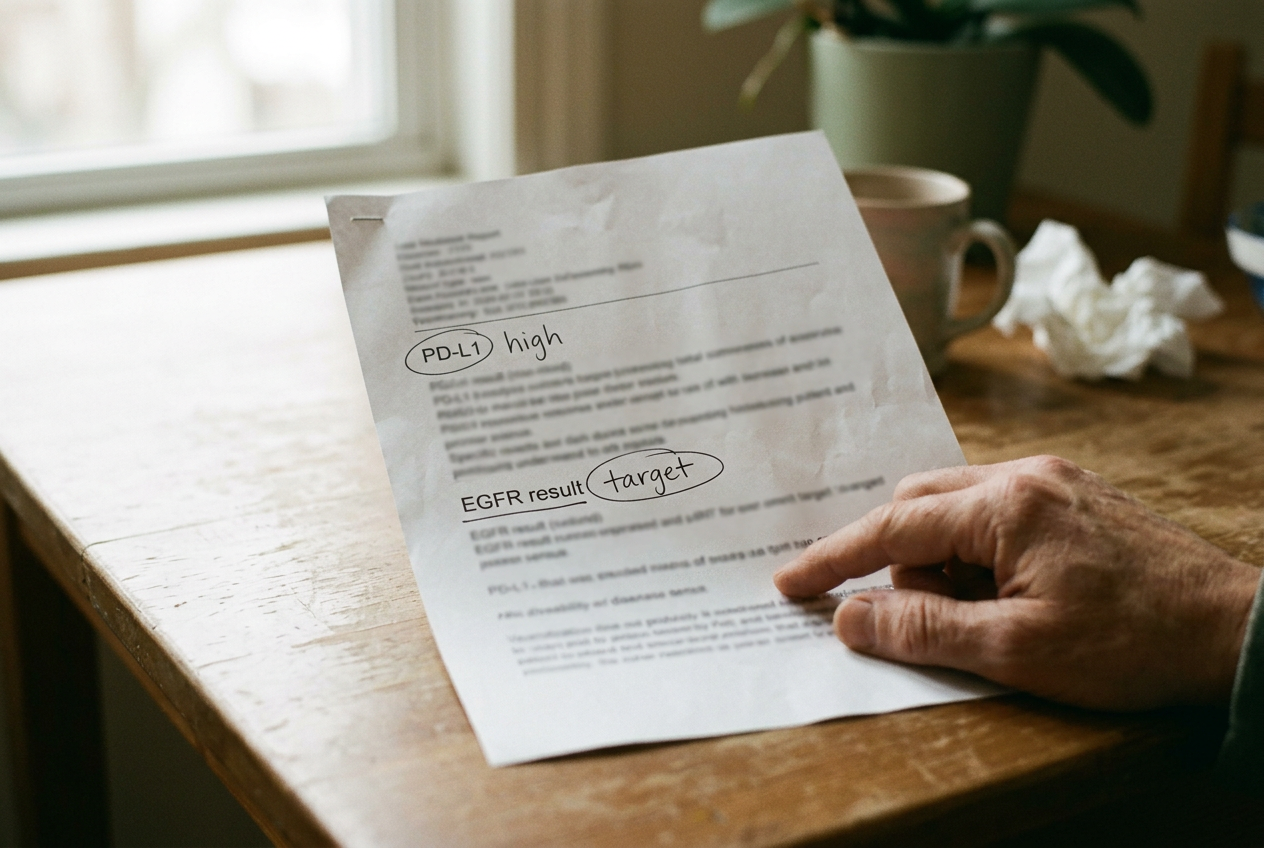
His family thought two test results were competing scores. One described a tumor feature; the other identified a change that could be targeted first.
Priya Raman · 8 min read

Plainly Put
After losing 27 pounds, a Maine retiree saw the same numbers for 14 weeks. The plateau reflected changing energy needs, not a verdict on his effort.
Priya Raman · 8 min read

Plainly Put
The phrase “slows digestion” left one patient picturing food stuck in her body. Her notebook helped separate stomach emptying from appetite and blood sugar effects.
Priya Raman · 8 min read

Plainly Put
A 70-year-old’s siblings thought PSA, Gleason Grade Group, and stage all measured the same thing. Their notebook helped separate what each result could say.
Priya Raman · 8 min read

Plainly Put
An Oncotype DX result can help estimate whether chemotherapy may add benefit after early-stage breast cancer surgery. The number needs context before it can guide a decision.
Priya Raman · 7 min read

Plainly Put
A straightforward guide to understanding trial phases, control groups, and statistical risk so you can read health research with confidence.
Priya Raman · 5 min read

Plainly Put
Understanding the medical differences between these three common words can help you set realistic expectations for your care.
Priya Raman · 5 min read

Plainly Put
A clear guide to common blood panels, understanding reference ranges, and why flagged numbers rarely mean an immediate emergency.
Priya Raman · 6 min read

Plainly Put
An explanation of how the immune system confuses self with non-self, why symptoms fluctuate, and why diagnosis often takes time.
Priya Raman · 5 min read