Three Siblings Took Dad's Tractor Keys as Huntington's Advanced
A notebook helped three siblings divide farm care, track money and face the day their father could no longer operate machinery. Genetic testing remained the argument beneath every other argument.
 Rosa DelgadoNarrator, Caregivers
August 25, 2026 · 7 min read

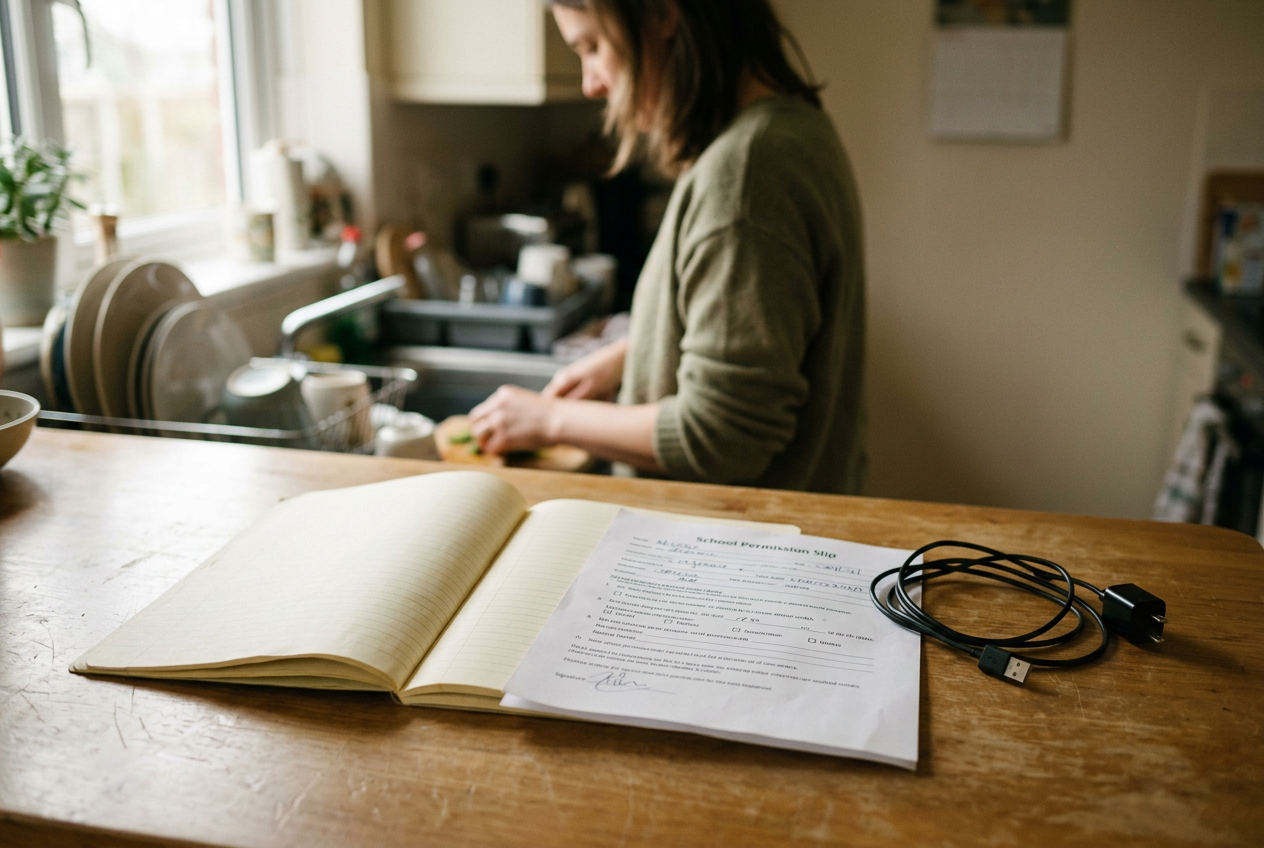
The notebook started in March 2022, after Ray’s specialist confirmed Huntington’s disease and his oldest daughter, Mara, realized nobody could remember which bill had been paid. She bought one at a grocery store and wrote appointments in the front, farm expenses in the middle and incidents involving vehicles or equipment from the back.
At first, the last section was almost empty.
Ray was 63 and still working 280 acres that had been in the family longer than any of his children had been alive. His movements had become less predictable, and he sometimes lost the thread of a job halfway through it, but he knew every field entrance and could tell from the kitchen window when a hydraulic line was leaking. Taking machinery away from him felt different from asking him to stop driving into town. The tractor was work, authority and proof that the farm was still his.
Mara lived 11 miles away and handled the checking account. Her brother Ben drove 74 miles each way for specialist visits because his truck was easier for Ray to enter. Their younger sister, June, lived 38 miles away and took on the physical tasks, including showers and changing clothes after bladder accidents, partly because she had the most flexible job and partly because no one else volunteered quickly enough.
The division looked fair in the notebook. It did not feel fair in anyone’s body.
The work nobody could divide cleanly
Mara spent evenings matching receipts to bank withdrawals after Ray paid a $612 feed invoice twice. Four months later, he bought a used attachment for $4,800 without telling anyone, then could not explain where it was. Ben found it behind a shed with weeds growing around the hitch. The purchase became the reason Mara began paying major bills under authority the family had arranged earlier, although Ray continued carrying his checkbook and asking why stores treated him as if his money had disappeared.
Ben’s job was driving, which sounded contained until weather canceled an appointment and the replacement fell during harvest. A specialist visit meant 148 miles on the road, fuel, lunch and a missed workday. He became angry when his sisters added errands to the trip, then felt cheap for objecting while June was helping their father shower. Resentment sat beside love without improving it.
The notebook recorded mileage, not the argument in the driveway.
June learned where Ray kept clean clothes and which shirts had openings he could manage. She hated bathing her father. She also hated the idea of a stranger doing it, which was inconvenient because those two feelings left her holding the towel. When Ray’s balance worsened, she put a chair in the shower and stayed within reach, looking at the soap dish while he tried to fasten his pants.
They found a local caregiver willing to come for 12 hours a week at $22 an hour. The arrangement lasted five months. Winter roads added cancellations, Ray did not want help from someone he considered an outsider, and the caregiver could earn the same money closer to home. After she left, Mara wrote $264 beside each week the family had managed to cover.
Blank weeks meant June had filled in.
The siblings were not making decisions from the same version of their father. Mara saw the unsigned checks and spoiled food. Ben saw him during long drives, when Ray could still discuss crop prices for miles. June saw the bruises on his hip and the effort required to step into clean pants.
Each thought the others were either exaggerating or arriving late.
The tractor entries got longer
The first machinery note appeared in May 2023: Ray left a tractor idling beside a county road with one rear wheel in a shallow ditch. He said the ground had softened. No one was hurt, and Ben drove it home, which allowed the family to call the episode unusual rather than decisive.
A second entry came seven months later, after Ray backed through a gate and bent it beyond repair. Mara put the $386 replacement cost in the financial section. June copied the incident into the machinery pages. Ben argued that plenty of farmers hit gates.
He was right, which did not make the family less frightened.
Ray’s specialist had explained that Huntington’s disease could affect movement, thinking and judgment, though an office visit could not reproduce the demands of operating farm equipment. A driving evaluation addressed road use, but the family found no equivalent assessment for moving a tractor near a ditch or climbing down from machinery with an unpredictable leg. They were left with observation, the notebook and Ray’s insistence that familiarity counted for more than their fear.
The decisive incident happened nine months after the gate. Ray drove across a field to move a wagon, misjudged the turn and stopped against a fence post. The tractor was damaged. The post broke.
He climbed down without injury and tried to restart the machine before Ben reached him.
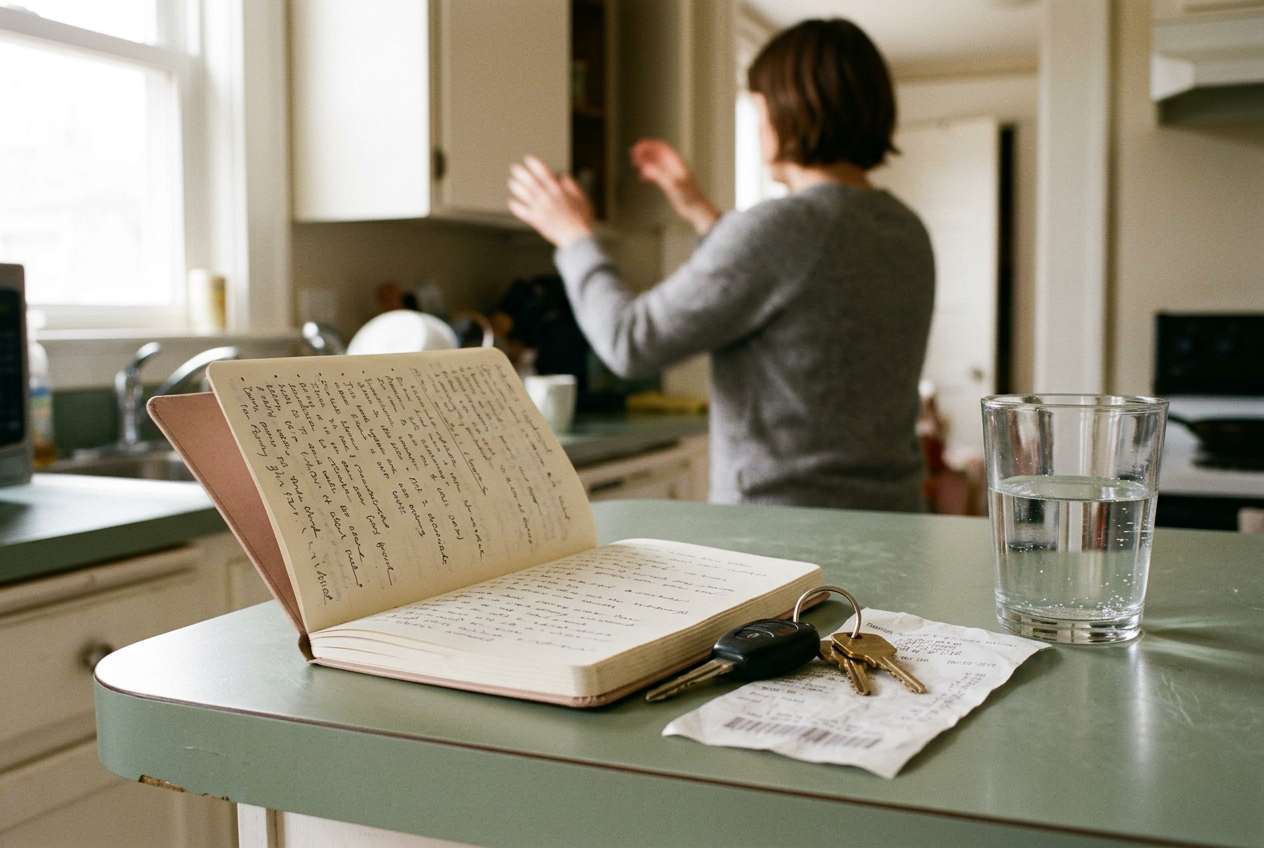
That evening, the siblings put the tractor keys on the kitchen table beside the notebook. Ray accused them of waiting for a mistake. They had been waiting. Mara took the keys home, Ben disabled another machine until it could be sold, and June sat with their father after the others left because he was furious and still needed help getting ready for bed.
For two weeks, Ray searched drawers and jacket pockets. He found an old duplicate that did not fit anything still running. Nobody had remembered it existed.
The keys changed the farm faster than the diagnosis had. A neighbor handled planting for an agreed fee. Ben came more often to repair fences, though he could not replace the hours Ray once spent checking equipment. Ray sorted hardware at the workbench and marked rain totals in the notebook until his handwriting became hard to read.
Some days he refused both jobs.
The inheritance inside every argument
During genetic counseling, the siblings had learned that each biological child of a parent with Huntington’s had a 50% chance of inheriting the genetic change. The counselor also described predictive testing as a personal decision and discussed privacy, family planning and the limits of federal protections, which do not extend to every type of insurance.
Mara wanted information because she had children approaching adulthood. Ben did not want a result recorded anywhere and avoided appointments devoted to testing. June began the process, attended counseling, then paused before the blood draw. Eleven months later, she still had not returned.
Their uncertainty entered ordinary caregiving conversations. When Ben forgot a feed order, Mara noticed. When Mara dropped a mug, she noticed herself noticing. June sometimes watched her hand while fastening Ray’s buttons, then became angry with him for moving.
None of those moments established anything, but the family could not prevent them from acquiring weight.
The machinery dispute carried that fear too. Ray said their concern about his judgment was really concern about their own futures. The accusation was unfair and useful. It ended several conversations because no sibling could deny that taking his keys meant looking at a possible version of themselves.
Eight months after the keys left the kitchen table, the notebook held fewer farm expenses and more caregiving entries. Ben wrote down falls. Mara tracked the $1,176 monthly cost of paid help after they found another caregiver willing to travel. June recorded which foods Ray left untouched so she could describe the pattern at his next appointment.
The sections had begun to overlap.
Ray still asked for the tractor keys. Sometimes he asked once. Sometimes he searched the same drawer repeatedly, then blamed Mara for moving things. She loved him and occasionally let the call go to voicemail when she saw his name.
Ben missed a visit and lied about why. June snapped while helping with a shirt, apologized and remained angry.
The notebook did not make them kinder. It gave them a shared account when memory, guilt and distance produced different stories, and it showed that the tractor decision had not come from one bad afternoon. On the final machinery page, Mara taped the repair receipt for the fence post. The spare key was folded into the paper.
Questions people ask
When can someone with
Huntington’s no longer operate farm machinery?
The family never received one office-based test that settled tractor use. They documented changes in movement, judgment and repeated equipment incidents, then acted after the risks formed a pattern. The decision remained painful because Ray’s skill and identity as a farmer did not disappear at the same pace as his ability to operate machinery safely.
How can siblings divide rural caregiving when they live far apart?
These siblings divided work by proximity and flexibility: Mara handled money, Ben took the longest drives, and June provided more hands-on care. The arrangement changed as their father’s needs grew. Their notebook made hidden costs and missed coverage visible, though it did not prevent resentment or guarantee that the division felt fair.
Does an adult child of a parent with
Huntington’s have to get genetic testing?
No testing decision was required of the siblings in this story. Genetic counseling gave them information about inheritance, privacy and possible effects on insurance planning, but they made different choices afterward. One wanted testing, one declined, and one paused during the process, leaving the family’s uncertainty unresolved.
What happens when paid home care is difficult to find in a rural area?
The first caregiver traveled to the farm for five months, then left because weather, distance and other work made the arrangement hard to sustain. The siblings covered the gaps until they found another person at a higher monthly cost. Mara recorded each paid week in the notebook and left the uncovered weeks blank.
One story a day
The story of the day, in your inbox
One health journey each morning — no advice, no alarm, just company for the road.