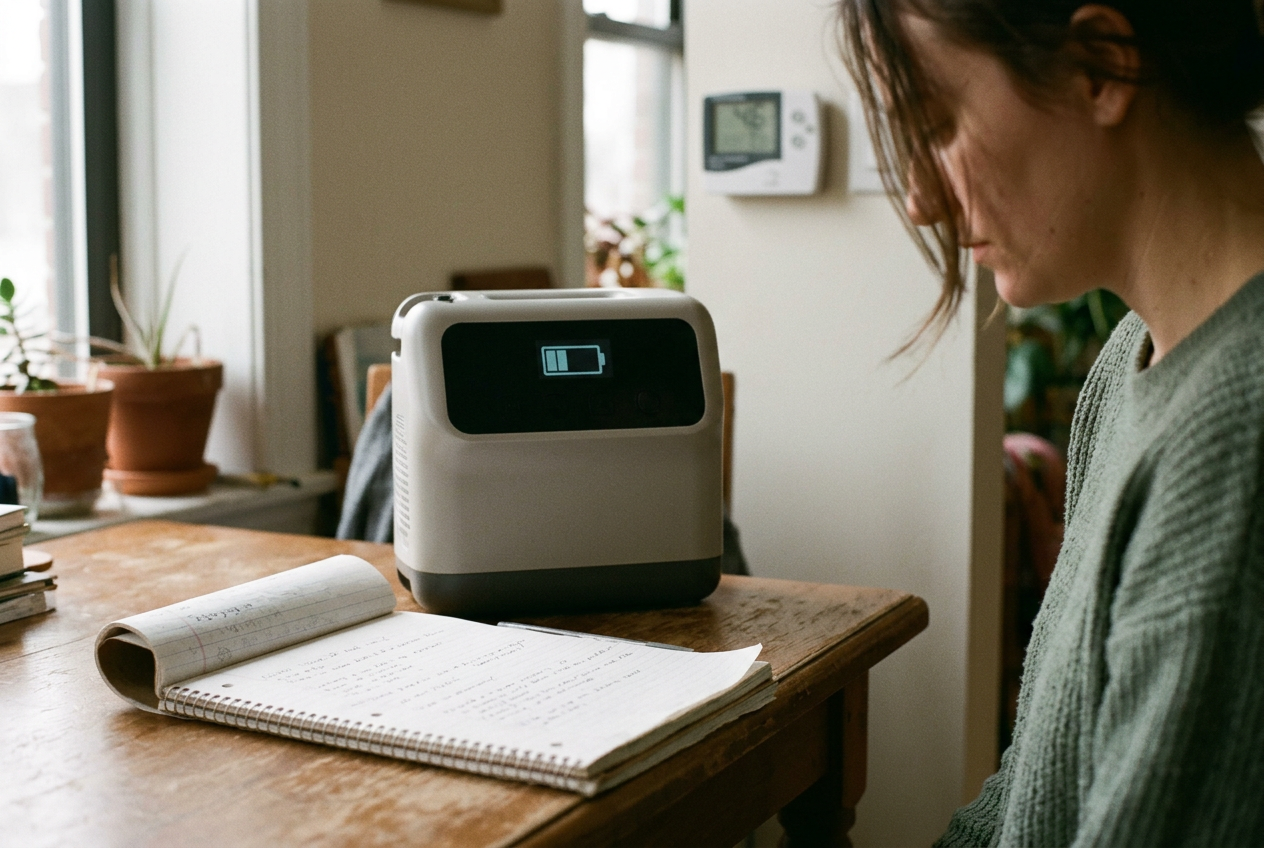
She Paid $286 More After Mold Worsened Her Son’s Asthma
Her son could not return to the damp apartment where his breathing had worsened. The place she found cost $1,428 a month, forcing health into every part of the family budget.
 Maya EllisonEditor-in-chief & lead narrator
August 23, 2026 · 7 min read
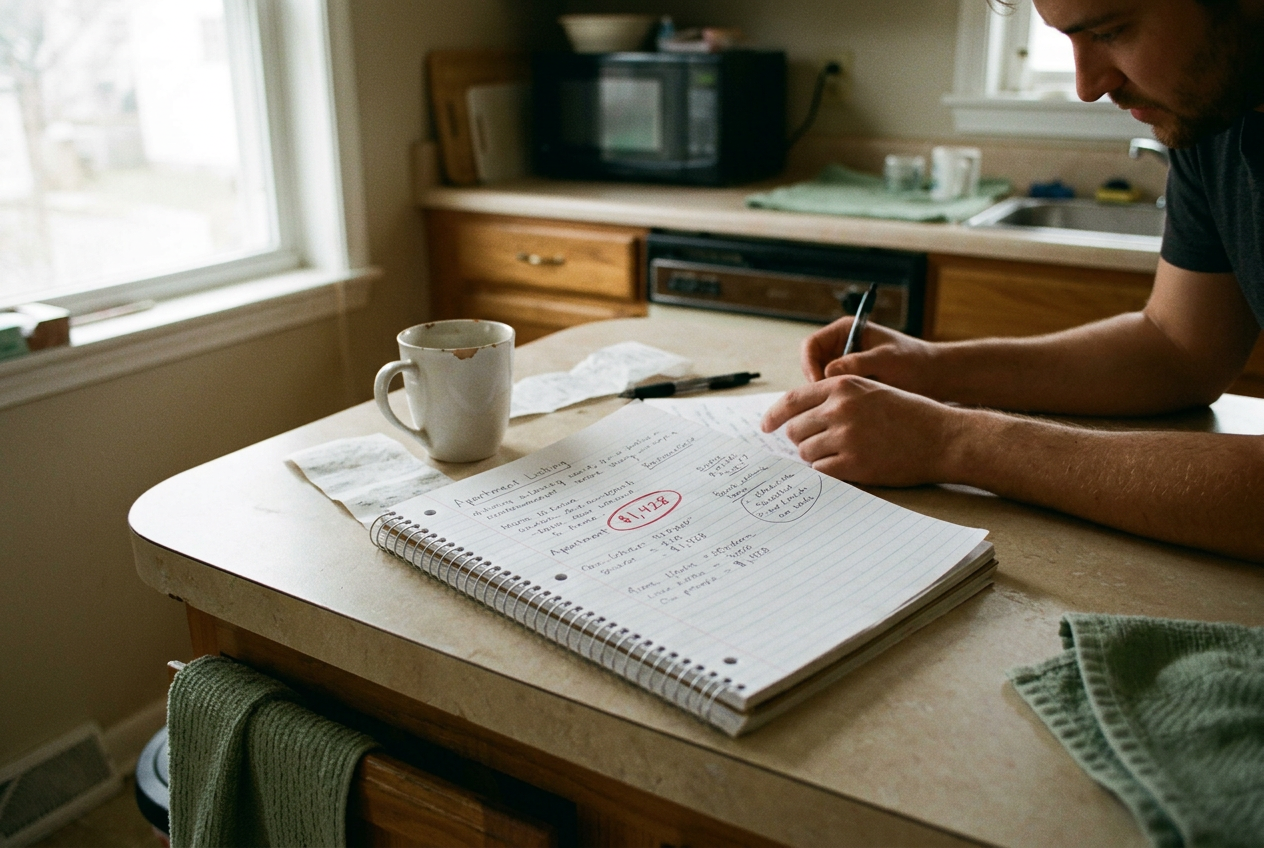
Marisol pressed her thumb beside the number she had circled in her notebook: $1,428. The apartment listing was still open on her phone, but she already knew the photographs by then. Small kitchen. Clean walls.
A window in her son’s bedroom. The number mattered more. It was $286 above the rent at the apartment they had left, and she had spent six days trying to make that difference disappear on paper.
From the bathroom at her sister’s place, her eight-year-old son, Eli, coughed and then turned on the faucet. The sound stopped. Marisol waited anyway.
They had been sleeping at her sister’s apartment for eighteen days. Marisol took the couch. Eli slept on a pad nearby, with his school backpack tucked against the wall and his medications kept where Marisol could reach them. Her sister had children of her own, and every evening meant clearing enough space for bedding after dinner, then folding it away before everyone needed the living room again.
The arrangement was safe for the moment. It was not a home.
Fourteen months earlier, Marisol and Eli had moved into an apartment they could afford on her income from home care work. The damp smell appeared after heavy rain. At first it stayed near the bedroom window, where water collected along the sill, but the wall later developed dark spotting and felt cool and wet in one corner. Maintenance painted over it.
The smell returned.
Eli already had asthma. For a long stretch, it had fit into family life without taking it over. Then his nighttime coughing became more frequent, and Marisol began listening from her room after he went to bed, trying to tell whether he had settled or was working too hard to breathe. She washed his bedding and moved his bed away from the wall.
She ran a borrowed fan. None of that changed the dampness inside the wall.
After a severe flare, Eli spent two nights at the hospital. His specialist asked about recent changes at home, and Marisol described the leaks, the smell and the dark patches that returned after paint covered them. The pattern made the apartment a likely contributor to his worsening symptoms. The specialist documented the housing conditions and the need to reduce his exposure to triggers.
That note did not produce another apartment.
Marisol sent a copy to the property manager and kept one folded inside the notebook. Maintenance returned, treated the visible area and painted again. She asked whether the wall itself would be opened or repaired. The answer stayed uncertain, while rain kept finding the same place and Eli’s cough grew noticeable again within weeks.
She stopped taking him home after the next medical visit. They went to her sister’s instead, carrying clothes in laundry bags and leaving most of their belongings behind.
The notebook became the place where Marisol tried to turn fear into arithmetic. Her monthly take-home pay usually fell between $2,240 and $2,410, depending on whether clients canceled visits or she missed work for Eli’s appointments. At the old rent of $1,142, the remaining money was already spoken for. The new apartment would take more than half of her pay before groceries, transportation and the electric bill.
She wrote $1,428 at the top of a page. Under it, she subtracted what she might save by dropping internet service and cutting back on paid after-school care, although fewer care hours could also mean fewer work hours. She left child support out because it did not arrive reliably. After several attempts, the bottom of the page still held a negative number.
Apartment searching made the problem physical. Marisol opened cabinets and touched the walls below windows. She noticed air fresheners because they could cover a damp smell, and she looked at bathroom ceilings while property managers talked about parking or laundry. One apartment cost less but had staining around a window.
Another was dry, though the long bus ride would make school pickup difficult whenever Eli became sick.
The $1,428 apartment was the first one that did not force an immediate health compromise. Marisol visited after rain. The rooms smelled neutral. The window frames were dry, and the property manager answered her questions about past leaks without brushing them aside.
It was also close enough to Eli’s school that her sister could help with pickup when work ran late.
Marisol did not feel relieved when she left. She sat on the bus with the listing open and calculated the rent again.
The specialist’s note helped a housing worker understand why returning to the old apartment was not a reasonable solution, but it did not stretch Marisol’s paycheck or reserve the new place. A local assistance program eventually agreed to cover part of the move-in cost. The decision took nearly three weeks, during which Marisol checked the listing each morning and kept her phone nearby at work.
She borrowed the remaining deposit from a relative. The monthly rent was still hers.
Moving out of the damp apartment took a weekend. Marisol discarded a small bookcase that had stood against the affected wall and washed the clothes stored nearby. She could not replace everything at once, so the new apartment looked sparse at first. Eli’s mattress sat on a frame borrowed from her sister.
The notebook stayed on the kitchen counter, open to $1,428.
For the first month, Marisol checked the wall beneath Eli’s window after every rain. She pressed her palm against it, then looked along the sill. Eli still had asthma, and he still had difficult days. The move did not erase the condition or make every cough easy to interpret.
What changed was the repeated exposure to the damp bedroom and the question of whether taking him home would worsen his breathing.
The rent changed other things. Marisol turned down some invitations because getting there cost money. She delayed replacing her own shoes. When a client canceled, she opened the notebook that evening and moved figures between weeks, deciding which bill could wait without adding a fee.
Her sister continued helping with school pickup, which allowed Marisol to accept later home care visits when they were available.
There was no clean ending to the apartment search. The old property manager did not agree with Marisol’s account of what had made Eli sick, and the dispute over part of her deposit remained unresolved. The assistance that helped them move did not continue each month. In the new apartment, rent came due at the same amount whether Eli had been well or Marisol had missed work beside his bed.
Nine months after the move, she still kept the notebook. New pages held grocery totals and the amount she owed her relative, but the original rent figure remained circled. One evening after rain, Marisol checked Eli’s window, found the sill dry and returned to the kitchen to make dinner. The notebook was beside the cutting board, closed now.
Questions people ask
Can a medical note guarantee a move from damp housing?
It did not guarantee one for Marisol. The specialist’s documentation helped a housing worker understand why returning was risky for Eli, but finding another apartment still depended on rent, availability and move-in money. The note changed how the request was treated. It did not create housing they could afford.
How did she decide whether the higher rent was worth it?
Marisol compared the $1,428 rent with her uneven monthly pay and the conditions inside each apartment she visited. The deciding factor was whether she could bring Eli home without returning him to the damp wall linked to his worsening breathing, even though the choice left less money for nearly everything else.
Did moving make her son’s asthma go away?
No. Eli continued living with asthma and still had days when his breathing worried Marisol. The move removed one repeated exposure from their daily life: the damp bedroom where his symptoms had worsened. His ongoing medical care continued after they settled into the new apartment.
How did she cover the deposit and higher monthly rent?
A local program paid part of the move-in cost, and Marisol borrowed the rest from a relative. She covered the higher rent by cutting expenses and taking additional work when it was available. Nine months later, the debt and grocery totals filled new pages of the notebook, behind the page where $1,428 remained circled.
One story a day
The story of the day, in your inbox
One health journey each morning — no advice, no alarm, just company for the road.