Her Numb Hand Caused 17 Mis-Scans and Cost Her Overtime
A central New Jersey supervisor hid intermittent numbness until an error printout showed 17 mis-scans. Moving off the dock made work safer and cut the overtime paying her bills.
 Maya EllisonEditor-in-chief & lead narrator
August 15, 2026 · 7 min read
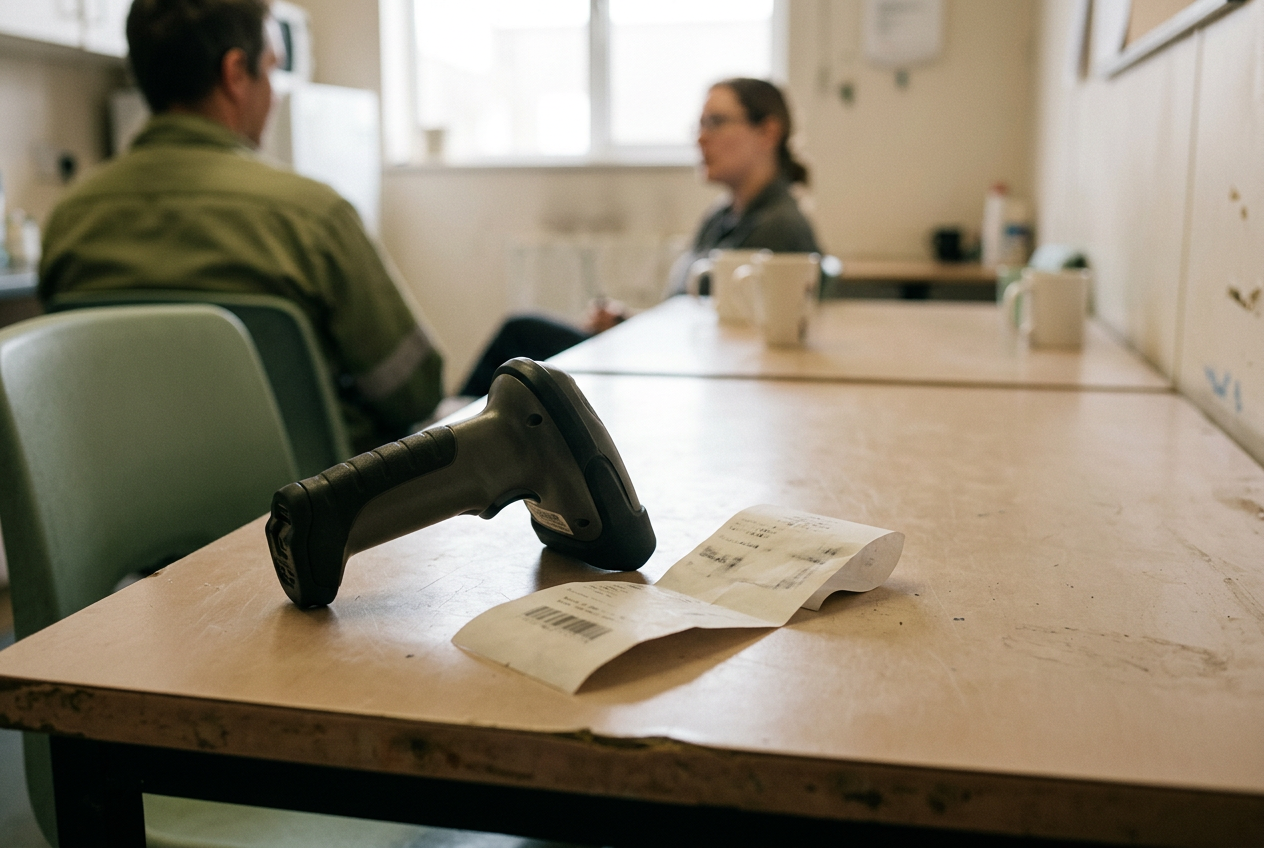
The scanner chirped before Elena realized her finger was still resting on the trigger. A pallet label had registered twice. She canceled the second entry, checked the screen, then looked toward the loading lanes to see whether anyone had noticed.
She was 38 and supervised warehouse shipping in central New Jersey. During busy stretches, she stepped in beside the workers she managed, lifting the handheld scanner toward labels and confirming what moved onto each truck. She knew the rhythm of that work well enough to hear when a scan sounded wrong.
What she could no longer read was her own right hand.
The numbness came and went. Some days it covered two fingers. On others, the feeling spread across her palm, making pressure hard to judge even though she could still grip a coffee cup or turn a key. Multiple sclerosis had been part of her medical life for 14 months, but she had not told anyone at work.
She told herself the scanner was manageable. She switched hands when she could, watched the screen after every chirp and pressed the confirmation button with the side of her thumb. Those small adjustments worked until they did not, and because her crew was already moving fast, every correction meant stopping someone else or stepping closer to active equipment to check a label again.
Seventeen corrections
The error printout arrived after six weeks. It was a plain sheet listing 17 corrected scans tied to Elena's work, including duplicate entries and cases assigned to the wrong outbound load. None had caused an injury. All had been caught before the trucks left.
She kept the printout under a notebook during the rest of the shift.
As a supervisor, Elena reviewed other people's mistakes. She knew one bad stretch did not always lead to discipline, but she also knew that repeated scanning errors could be treated as carelessness, especially when the person making them had said nothing about a problem affecting the work. Her manager asked her to review the pattern and come back with an explanation.
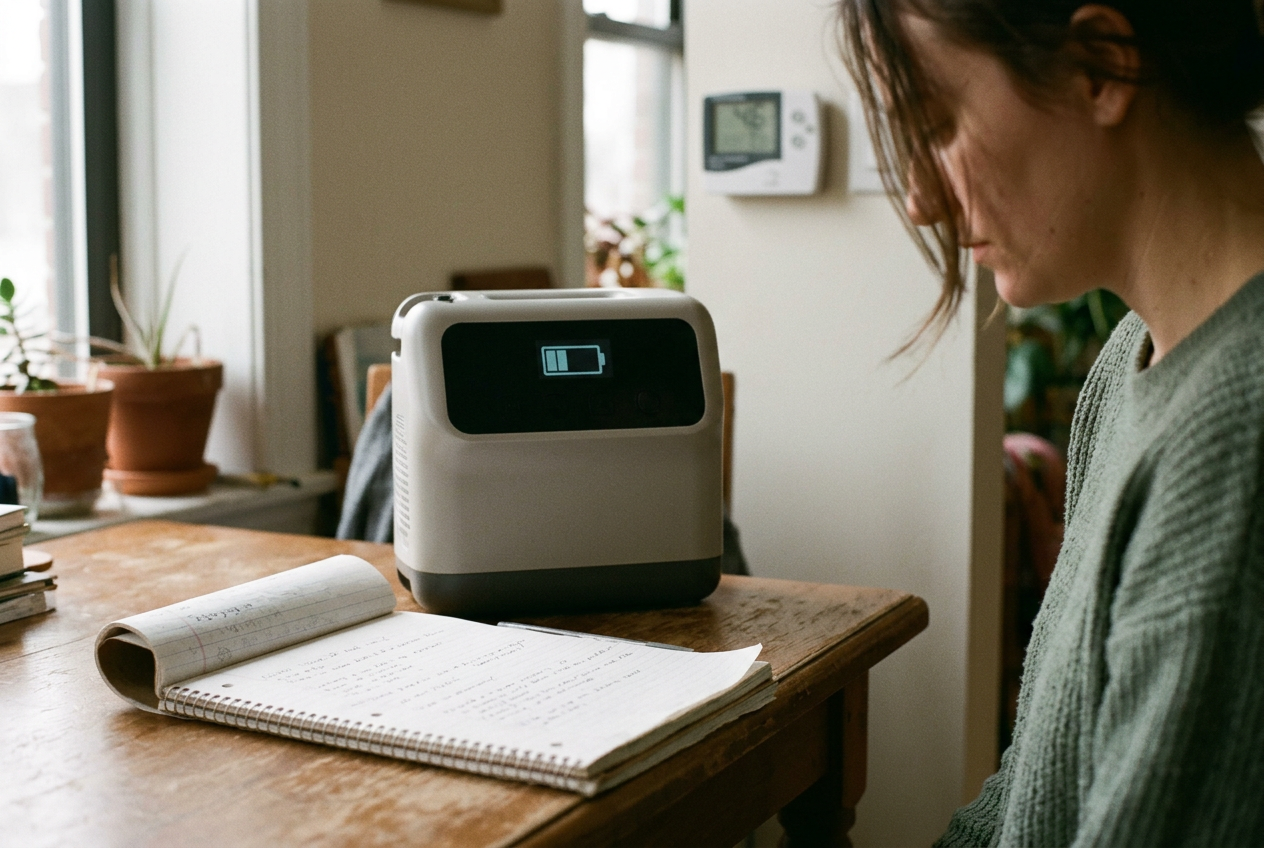
At home, she unfolded the error printout at the kitchen table after her children had finished eating. They were 9 and 13. The older one was doing homework nearby while the younger one searched a cabinet for a snack, and Elena covered the page with her forearm when they passed behind her.
The number mattered. Seventeen was too many to dismiss as a rough week, and the page made visible what she had been hiding each time she waited for feeling to return in her fingers before picking up the scanner again.
She earned $24.75 an hour. Six hours of overtime added $222.75 before taxes, and those hours were common when shipping volume rose.
Her rent was $1,740 a month. Overtime covered the part of the household budget that base pay did not reach, including groceries during the longer weeks between paychecks.
She had another reason to stay quiet. Elena had spent years becoming the person called when a loading problem needed a quick decision, and she worried that disclosing numbness would make every future decision look uncertain, even on days when her hand felt normal.
The error printout changed that calculation. She folded it into quarters and placed it in her bag for an appointment with her specialist.
The request
Her specialist already knew about the intermittent numbness. During the appointment, Elena described the scanner trigger, the duplicate entries and the need to cross active warehouse lanes when a label had to be checked again. The specialist completed the employer's paperwork, documenting the symptom and how repeated handheld scanning affected her work without laying out her full medical history.
Elena brought the request to the person who handled workplace accommodations. She asked for a temporary reassignment away from continuous scanning while keeping her supervisory status. The company reviewed the request with her manager and focused on which duties she could perform without spending long periods gripping and triggering the device.
The conversation felt exposed, though it was quieter than she had imagined. Nobody demanded a speech about multiple sclerosis. The practical concern was whether she could keep supervising safely and whether another available assignment matched her experience.
A position at the inventory exception desk did. Elena would review mismatched labels, damaged cartons and shipment changes while seated near the warehouse office. She could set the scanner on the table between uses, alternate hands and ask another worker to verify a label on the dock rather than entering an equipment lane herself.
The transfer was approved for three months, with a review near the end. Her base hourly rate stayed the same.
The overtime did not.
At Elena's warehouse, most extra hours went to supervisors covering the loading lanes. The exception desk rarely needed extended staffing, which meant the accommodation protected her from the task that had become unreliable but also separated her from the hours that made the pay work.
She accepted the reassignment. By then, the alternative felt worse. Another cluster of errors could have threatened her job, and one missed label could send her into moving traffic to correct it while her hand was numb.
On her final dock shift, she returned the scanner to its charging rack. There was no ceremony. Someone else picked it up before the next load.
The cost of safer work
The first paycheck without overtime was short by about $180 after taxes compared with what Elena had come to expect. The next one was similar. She stopped an automatic $75 transfer to savings and delayed replacing a pair of shoes her younger child had outgrown.
She did not regret requesting the change every day. Some days she did.
At the exception desk, the work moved through a computer screen and a small stack of labels. When numbness started, she could take her hand off the mouse, place both palms on the table and continue reviewing a shipment with her other hand. Nobody waiting on the dock had to guess whether she had felt the scanner respond.
Her manager still asked her to help solve loading problems, though she now did that from the edge of the work area or through another supervisor. The reassignment did not erase her authority, but it changed where people saw her, and warehouse work often rewards the person who is physically present when volume rises and extra hours are offered.
Eight weeks into the new assignment, Elena met with the accommodation staff again. The numbness remained unpredictable. She asked whether some overtime could be attached to paperwork or inventory review, but there was little extra work in that area, and the company did not create additional hours.
She began picking up occasional weekend work checking inventory records when it was available. It did not replace six regular overtime hours. Some weeks there was nothing to accept.
The original error printout stayed at home. Elena had written the amount from her first reduced paycheck in the margin, then folded the page again and put it in a kitchen drawer with school notices and receipts. She no longer needed it to prove the scans had happened. She kept it because the same sheet held both sides of the decision: 17 corrections, then less pay.
Her three-month review did not settle everything. The reassignment continued while her employer considered whether the role could remain available, and Elena kept doing work she could complete without holding the scanner through an entire rush. The overtime question remained open.
Questions people ask
Do
I have to share every detail about multiple sclerosis at work?
In this composite, Elena kept her diagnosis private until a symptom affected a central job task. During the accommodation process, the discussion centered on the numbness, the repeated scanning and the duties she could still perform. Her employer received supporting medical information, but her full medical history was not part of everyday conversations with her crew.
Can intermittent hand numbness be part of an accommodation request?
Elena's numbness was not present during every shift, which had made it easier to hide and harder to explain. Her specialist documented that the symptom fluctuated and affected repeated scanner use. The employer then considered a reassignment built around the work impact rather than waiting for the numbness to become constant.
Can a safer reassignment reduce overtime pay?
It did for Elena. Her hourly rate remained $24.75, but overtime followed the loading-lane work she could no longer perform safely. The accommodation preserved her position and base pay without preserving the same access to premium hours, leaving her first reduced paycheck about $180 below what she expected after taxes.
What happens if scanning errors have already been recorded?
Elena brought the existing errors into the accommodation discussion instead of pretending they had not happened. They were still reviewed as work mistakes, but the error pattern also showed why a change mattered. At home, the printout with 17 corrections remained folded in the kitchen drawer.
One story a day
The story of the day, in your inbox
One health journey each morning — no advice, no alarm, just company for the road.