Navigating Early Menopause and Dating in Your Twenties
After breast cancer treatment pushed her into medically induced menopause at twenty-nine, Elena had to learn how to navigate sudden fertility loss, body changes, and returning to dating.
 Nadia OkaforNarrator, Mind & Body
August 5, 2026 · 6 min read
The First Try
The iced Americano had melted into a ring on the wood table when heat surged up into her neck and forehead. It was March 2024, seven months after her bilateral mastectomy. The thirty-one-year-old software salesman sitting across from Elena was explaining how to book train tickets from Tokyo to Kyoto for a summer trip while three sugar packets and a wet paper napkin lay on the laminate between them. Sweat broke out across her scalp.
She swallowed cold water. When he asked if the café felt warm, she tried to smile and pulled her hair away from her face.
"I run hot these days," she said. She asked him if he planned to buy the rail passes before leaving.
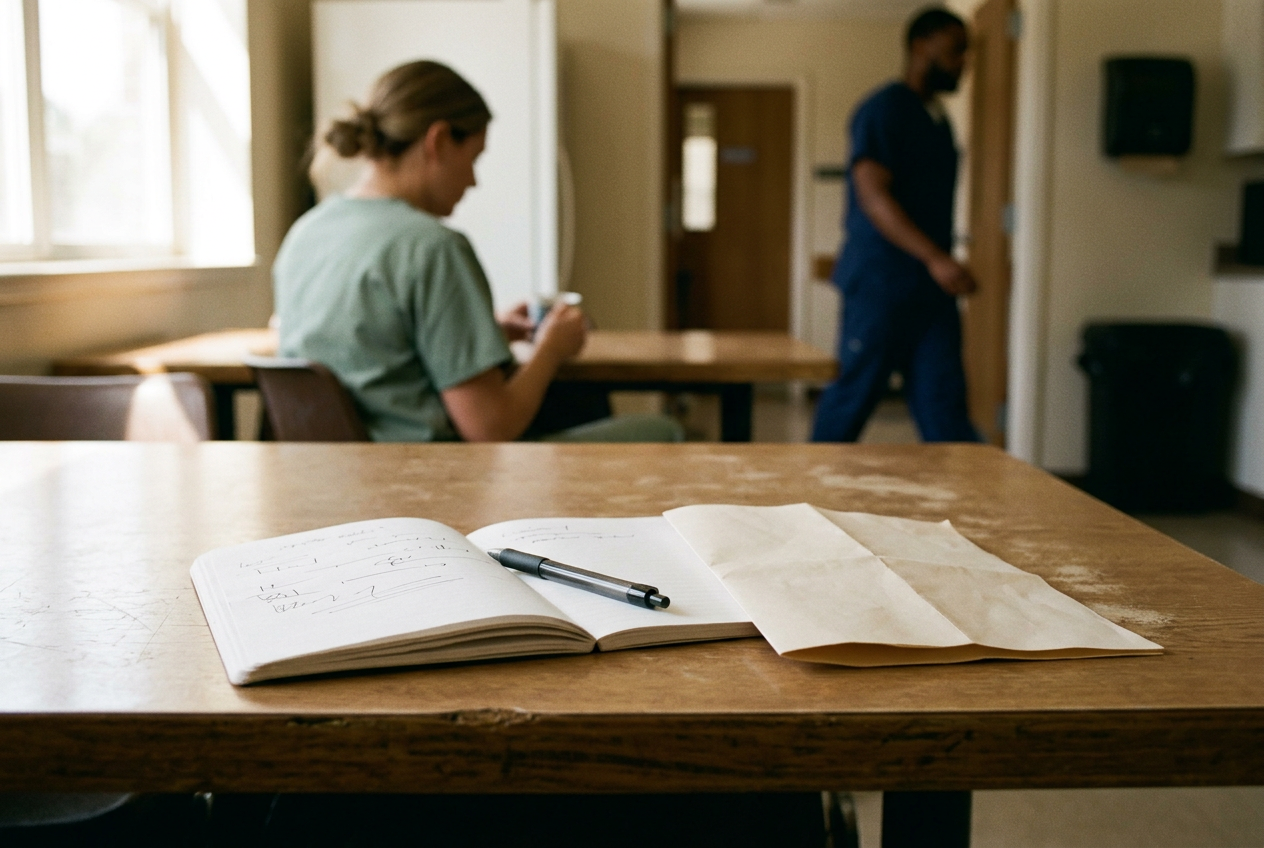
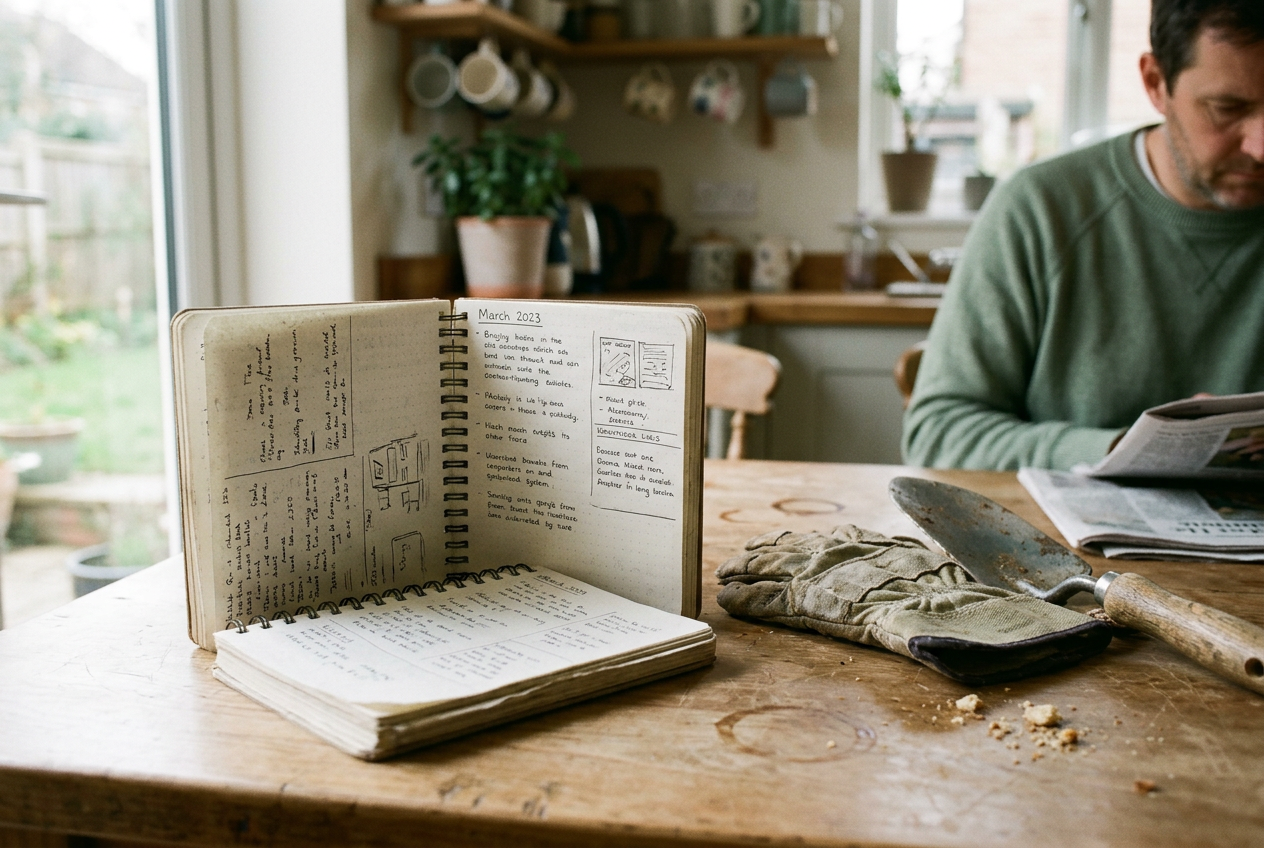
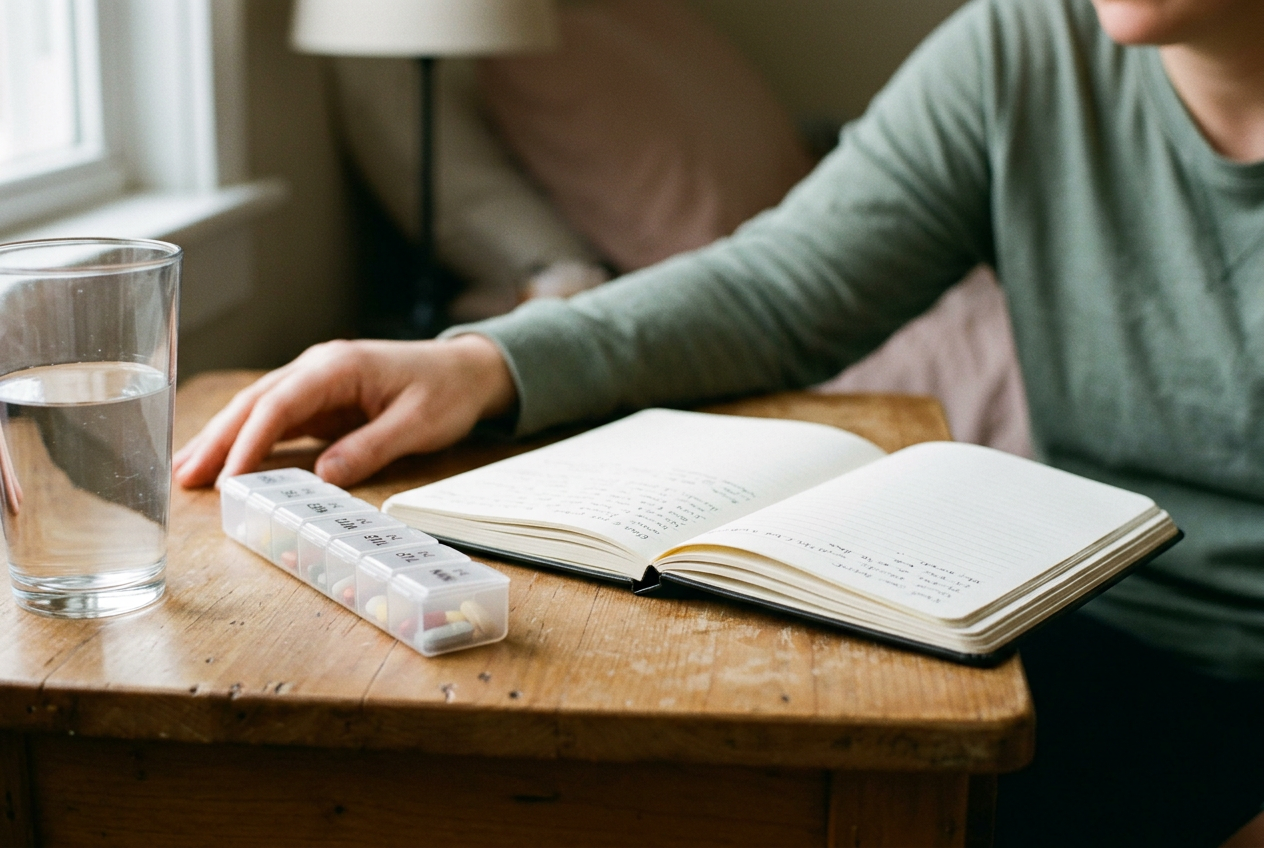
She walked four blocks back to her car with her hands jammed in her coat pockets while cold wind off the water burned her cheeks. In her apartment, she set her keys on the counter and reached for a notebook she had bought at a drugstore near her building in November 2023, two weeks before her twenty-ninth birthday. Instead of writing down a temperature, she drew a heavy black line across the bottom margin.
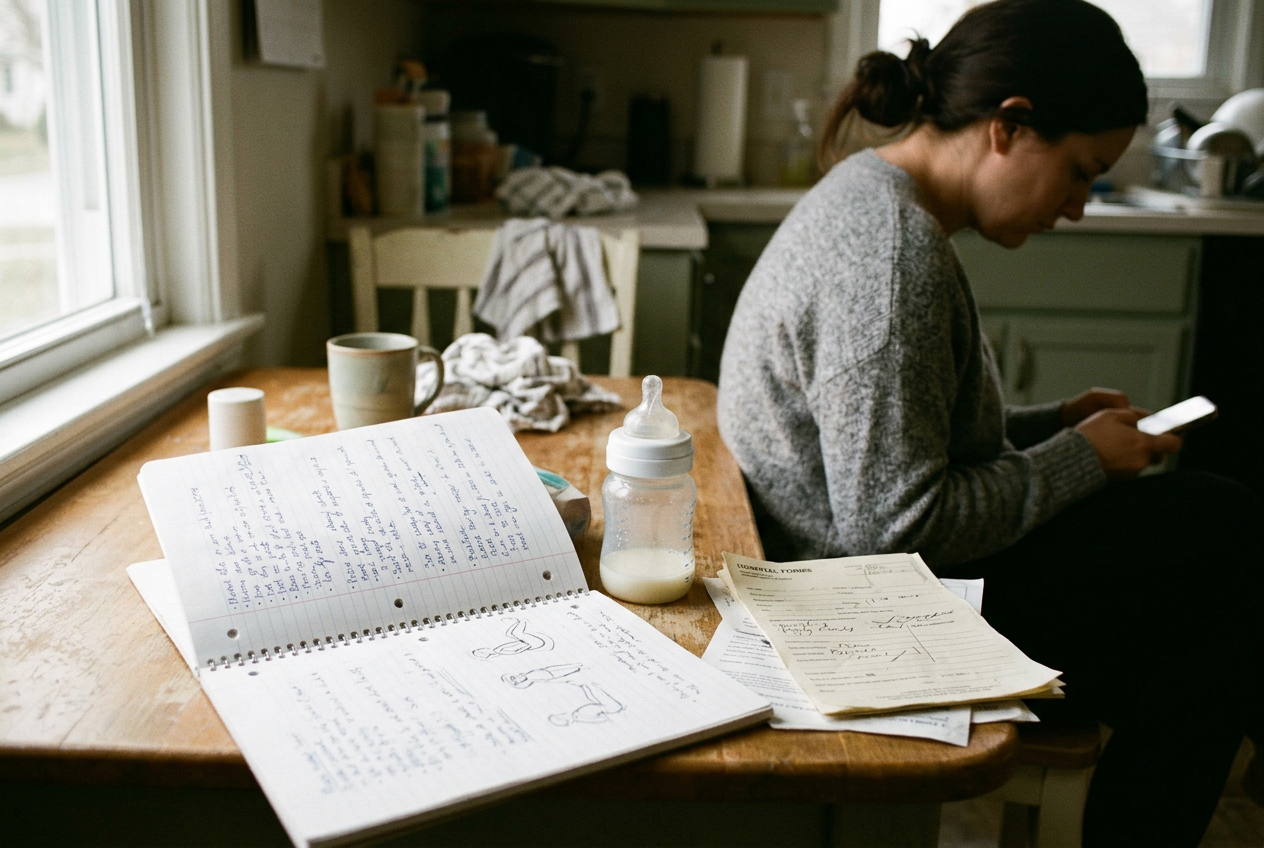
Active treatment for her stage two breast cancer had ended three months before she bought that notebook, but daily hormone suppression was just starting because her specialist wanted to shut down her ovaries so the disease would not return. That treatment pushed her into medical menopause thirty years ahead of her peers. On the first page, she had written her daily pill dose in blue ink beside columns for joint pain and night sweats. By December, those pages held three entries a night because she kept waking up soaked under her cotton sheets.
Medical menopause in your twenties carries a peculiar kind of isolation because it sits at the intersection of two life stages that almost never touch in ordinary conversation. Women who go through natural menopause in their fifties often have friends navigating similar body shifts at the same time, but at twenty-nine Elena sat in waiting rooms surrounded by patients thirty years older than her while turning through gloss pamphlets that showed grandmothers drinking tea on sunny porches. Her primary care doctor offered basic advice about taking calcium supplements and maintaining consistent sleep habits.
Nothing on those printed pages told her how to handle sudden estrogen loss and permanent infertility when she was still trying to decide if she felt safe enough to date someone new.
What Trust Looks Like
Dating before her diagnosis had been simple. It meant casual drinks in Capitol Hill and loose plans for late summer road trips after changing a couple lines on a profile. After her surgery and tissue expander reconstruction, putting on a sweater felt heavy with self-consciousness, and the thought of unbuttoning her shirt in front of a stranger brought a cold knot to her stomach. Under the bathroom light, she had stood in front of the mirror pressing her fingers against her chest, feeling only flat skin where sensation used to be.
Reconstruction gave her back a silhouette under her clothes, but nerve damage left the tissue numb.
When she decided to build a dating profile in March 2024, she picked three photographs taken after chemotherapy ended, back when her dark hair was starting to grow into a short crop. She sat at her kitchen counter with her laptop open next to the notebook, taking twenty minutes to write and delete bio lines before settling on a sentence about rain and waterfront walks. She left out her medical history.
Those details belonged to a time when trust was already built.
The coffee date was not a disaster, but it proved how far her everyday reality had drifted from the ordinary routines of people her age, exposing the heavy reality of surviving an illness.
She met Marcus four weeks later at an outdoor art event when a friend introduced them near the refreshment table. Marcus noticed when she backed away from the crowded tent toward the chilly air outside during a hot flash. He did not ask intrusive questions or press for an explanation. Instead, he brought her a glass of tap water with ice and stood beside her in the dark until her breathing slowed down.
"We can stay out here as long as you need," he told her.
Their second date was a long walk through the park arboretum, talking about font design and local coffee spots while light rain drifted through the trees.
The conversation about her health happened six weeks later on her living room couch during a wet Friday night. Elena had spent the afternoon reading back through the notebook because she needed to review months of logged symptoms before she could explain her medical history to him without tripping over her words or losing her nerve. She sat close to him with her eyes locked on her knuckles. Her daily hormone pill and diagnosis came out in plain terms, including the fact that she could not carry a pregnancy.
She named the grief of sudden fertility loss without trying to make it sound softer for his benefit.
Marcus stayed calm. He asked thoughtful questions about her treatment schedule over the past year and told her candidly that he could not imagine carrying that kind of burden alone at twenty-nine. When she pulled back the edge of her collar to show him the pink scar running across her upper chest, he placed his palm over her hand. The tightness in her throat cleared because he showed neither pity nor panic.
Intimacy required patience and new habits. Because estrogen suppression prevented her body from producing natural lubrication, physical closeness relied on spoken words and over-the-counter gels that her specialist had suggested during a follow-up visit earlier that winter. A year earlier, Elena would have panicked at stopping to explain what felt comfortable or where it hurt, but the openness she shared with Marcus turned those pauses into quiet routines. They moved at a rhythm her body could handle.
Unprepared Moments
Grief still arrived without warning. On a Sunday afternoon in June 2024, Elena attended a college friend's baby shower where guests spent two hours in a bright living room debating crib designs and nursery wallpaper swatches. She pressed her cold glass of lemonade against the skin of her inner wrist to dull a sudden flush of heat radiating upward toward her collarbone. The sadness hit hard.
When she got home later that afternoon, she sat on the unmade mattress in her bedroom and cried until her chest ached, refusing to scold herself for feeling overwhelmed ten months after her surgery.
"I thought I was past this part," she said to the empty room.
Later that evening, she took the notebook out of her nightstand drawer. The early entries from November 2023 looked cramped and rushed, written in tight pen strokes back when every hot flash felt urgent. She turned past those filled pages to a fresh sheet, wrote down the month of her next oncology follow-up, and added a short note about their afternoon walk in the park.
The notebook stayed on her nightstand beside a plastic pill organizer. She clicked off her bedside lamp and listened to the rain tapping against the glass.
Questions people ask
When did she tell someone she was dating about her cancer and infertility?
Elena waited until six weeks into the relationship, when trust had begun to form. She reviewed her symptom notebook first, then explained her diagnosis, hormone treatment, and inability to carry a pregnancy in plain terms.
How did medically induced menopause affect physical intimacy?
Estrogen suppression caused dryness, while nerve damage after reconstruction left her chest numb. Elena and Marcus relied on spoken communication, patience, and over-the-counter gels her specialist had previously suggested.
How did she cope with grief about losing her fertility?
The grief still surfaced unexpectedly, especially at a friend's baby shower. Elena let herself cry without judgment, then returned to the notebook where she tracked symptoms, appointments, and meaningful moments.
One story a day
The story of the day, in your inbox
One health journey each morning — no advice, no alarm, just company for the road.