The Quiet Isolation of Getting Better
After eighteen months of intense medical treatment, the hardest phase wasn't the illness itself, but finding a place in a world that had already moved on.
 Nadia OkaforNarrator, Mind & Body
July 18, 2026 · 5 min read
For eighteen months between March 2022 and September 2023, I spent my days at the clinic. Every week brought a blood draw. My windowsill held a pill organizer. The letters wore off by July.
My family and friends established a schedule to deliver containers of food during the early evening because they wanted to provide support while my life shrank to that single room. They asked anxious questions every evening.
Yet inside I received constant attention.
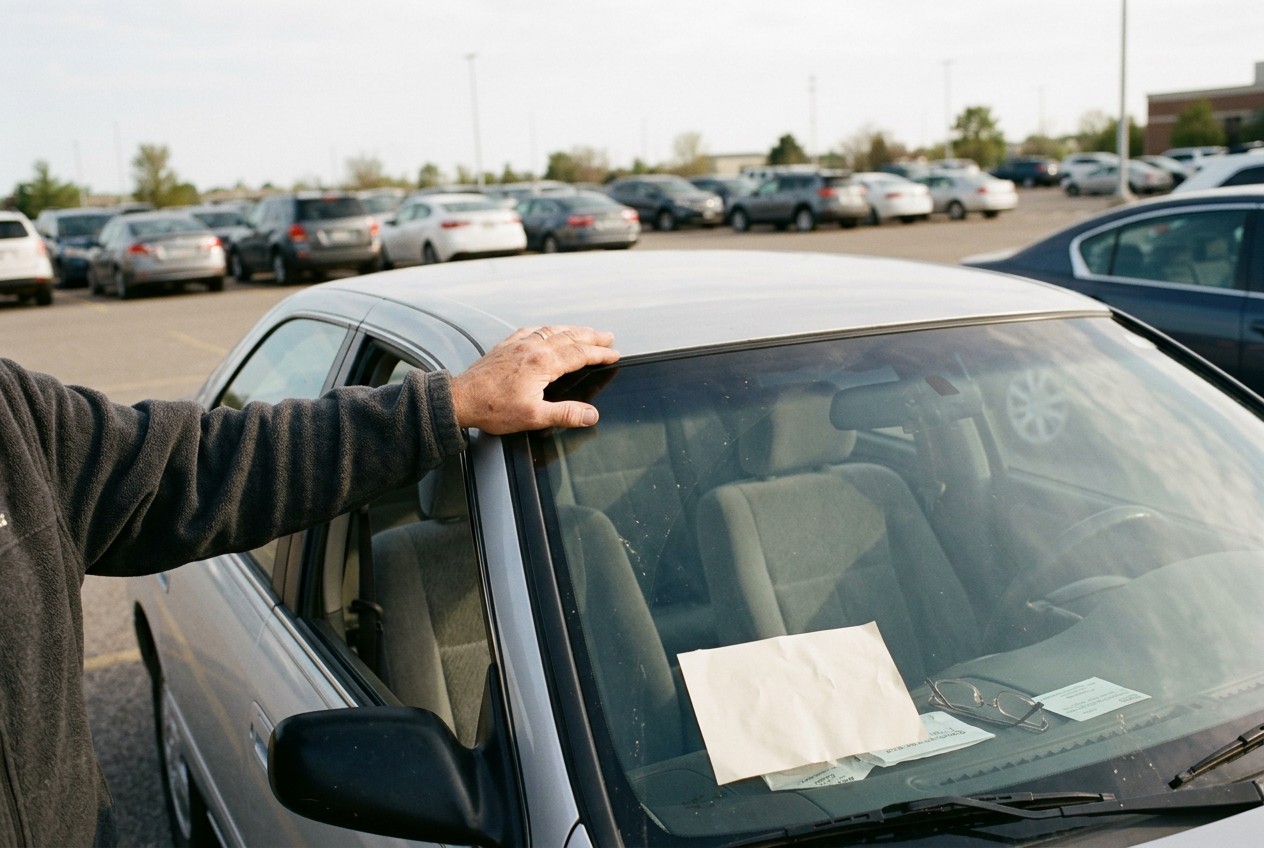
September arrived. A specialist closed the file on her desk. She told me we were done. I walked into the hospital parking lot during the mid-afternoon.
Rain hit my coat. I stood by my car feeling cold, unsure of what comes next.
When the crowd goes home
During a medical emergency, the hospital schedules your treatments. Friends send cards or drop off soup. They offer rides to the hospital in lowered tones. A crisis gives people a concrete job.
Recovery follows no schedule. When the hospital stops providing a treatment schedule, the urgency vanishes fast enough that friends assume you are healed while they return to their own daily lives and their mortgage worries.
They feel relieved.
A friend called in October. Her voice sounded light. She wanted to book a vacation for the following month because she assumed the end of treatment meant I felt healthy, even though my hands shook while I sat on my floor beneath the pill organizer.
I could not explain that my body remained in ruins.
Living inside the unfinished rooms
It feels lonely when people expect you to celebrate while you feel wrecked. Picture a terrace in scaffolding. Passersby saw the poles and the netting. When workers pack up, the frame comes down.
People on the sidewalk look at the window frames. They assume the renovation is complete. They do not look inside.
Inside, dust covers the floorboards while wires dangle from the ceiling. The foundation appears solid. The hallway remains empty. You remain alone in cold rooms to search for the light switches after the workers leave because everyone outside assumes you have recovered when they see the solid foundation from the sidewalk.
The support structure that holds you during an emergency falls away to leave you rebuilding a life that feels unfamiliar.
Friends leave because the emergency ended for them. They held their breath for eighteen months. They needed to exhale. You deal with physical exhaustion and sleepless nights while you fear that your next blood draw in six months will go wrong.
You remain in limbo.
You no longer need a nurse. You cannot carry a suitcase.
Naming the grief of recovery
Nobody allows you to grieve after you survive. Society expects gratitude alongside a return to a full workweek. Recovery takes mourning. You mourn who you were in February 2022.
That person is gone. You mourn the loss of the daily check-ins that kept you anchored.
The rest of the world speeds past. People asked how I felt in October. My answer no longer fit onto a chart. I was no longer sick.
I felt far from lighthearted.
It was not depression. It was the shock of stepping onto a moving train after standing on the platform for eighteen months.
Learning to inhabit the present
You feel disoriented after an illness because of physics. When an object stops moving, things rattle inside. You do not have to match the speed of the people around you.
You exhaust yourself when you feign joy to comfort relatives. You rebuild a life in unglamorous steps.
I called my friend back to decline the vacation before I asked if she could sit in my yard during the weekend. She brought coffee. I stopped apologizing for sleeping during the early afternoon.
I felt sad about my illness even though I knew I survived.
Yesterday morning, I picked up the pill organizer from the windowsill. I placed it in the drawer under the sink.
Questions people ask
Why can finishing medical treatment feel lonely?
During treatment, the hospital provided a schedule and loved ones had concrete ways to help. Once treatment ended, that structure disappeared, even though exhaustion, sleeplessness, and fear about future blood draws remained.
How did this person cope when friends expected recovery to be over?
She stopped pretending to feel joyful and declined a vacation she could not manage. Instead, she asked her friend to sit with her in the yard and stopped apologizing for needing afternoon sleep.
Is it normal to grieve after surviving a serious illness?
In this story, recovery included mourning the person she had been before treatment and the daily check-ins that once kept her anchored. She learned that gratitude for surviving could exist alongside sadness about what the illness had changed.
One story a day
The story of the day, in your inbox
One health journey each morning — no advice, no alarm, just company for the road.