When the Adrenaline Fades: Depression After the Crisis
Six months after a medical emergency, the quiet sets in, bringing an unexpected weight long after the acute danger has passed.
 Nadia OkaforNarrator, Mind & Body
July 20, 2026 · 4 min read
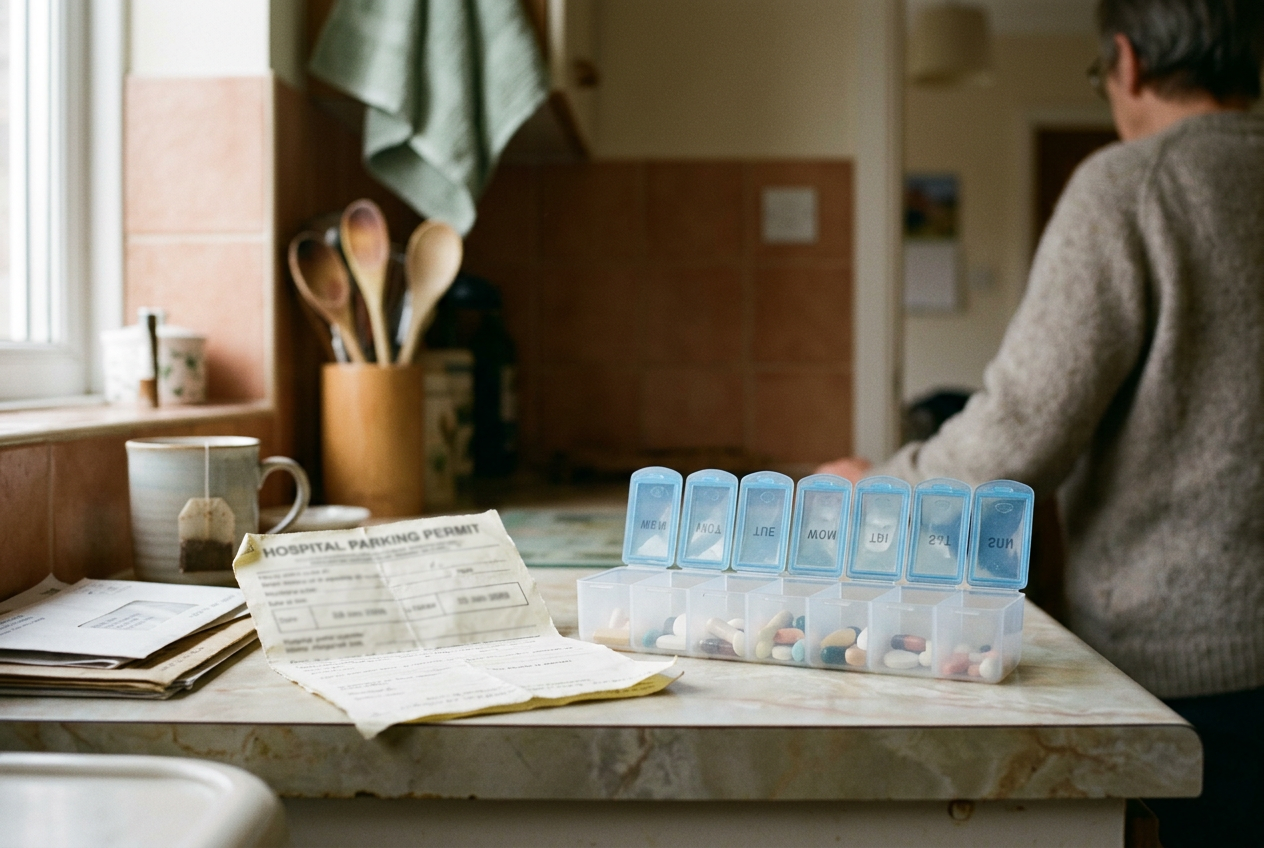
For months after Clara underwent emergency abdominal surgery, our kitchen counter held the discharge instructions dated March. Around those instructions, life moved in a strict routine. We kept pill boxes with lids, hospital parking passes on the windshield, and text messages from friends asking for updates.
Clara met every instruction with focus. She logged her temperature twice daily in a notepad, took her medications, and walked 200 yards around the yard each afternoon. To her surgical team, she was a model recovery case. Her incision was fading to a line.
The specialist declared himself satisfied with her progress.
Then came a morning when the hospital appointments dropped from weekly to quarterly. The slips vanished from the bulletin board. The last delivery box arrived with surgical tape and no follow-up order.
For six months, there had been a daily checklist. There was nothing left on it. Clara stopped getting out of bed.
The silence after the all-clear
When a health crisis erupts, survival narrows attention. The brain releases protective neurochemicals, sharpening focus and dulling secondary feelings. Clara did not process grief during those months because she was busy reading the instructions and measuring wound drainage in cups. Every hour had a clear target.
In healthcare, clinicians measure progress by C-reactive protein levels below 5 mg/L, scar tissue, and restored mobility. The formal support structure recedes when those markers improve because friends assume an all-clear from a specialist means ordinary life resumes, so that cards stop arriving in the mail after the patient regains physical mobility. Friends stop dropping off meals.
That assumption misses how we endure terror. Adrenaline sustains courage during a crisis. When the emergency ends, the nervous system relaxes. The patient feels the psychological impact of what happened all at once.
A weight that settles in the warmth
Clara described the feeling as a quiet that filled the house after the acute crisis had ended.
"When I was in the hospital, I had a clear job to do," she told me one afternoon, staring out at the rain against the windowpane. "Now that I am supposed to be fine, I struggle to get out of bed."
This delayed reaction strikes people recovering from acute illness or surgery because low mood does not always arrive with the initial diagnosis, which means it often emerges after the immediate physical danger passes so that the patient must confront their psychological trauma.
A patient functions through the immediate trauma while their body prioritizes survival over processing fear, which allows them to finish the rigorous treatments before they return to their normal routine so that they can rest.
That is when the patient realizes how much psychological stress they accumulated, and how it affects their current emotional state.
The body dropping its guard
A shame often accompanies this delayed low mood because people who survived a major operation will stand in a supermarket aisle months later weeping over a can of soup even though they feel guilty for not feeling relief when physical tests come back clear.
This emotional decline is not a failure of character or a lack of appreciation for life. It is the natural response of a nervous system that spent six months on alert and registered that the threat is gone.
For half a year, Clara’s mind stayed vigilant, scanning every ache and reading the discharge instructions for danger. Once the threat receded, her system reacted to the relief of tension. It entered exhaustion. She felt grief for lost months alongside physical fatigue.
Fear of future vulnerability followed.
Giving the quiet its place
A patient accepting post-crisis life must understand that physical healing and emotional integration take different amounts of time. A surgical incision closes in six weeks. The mind’s understanding of what took place can take months longer to develop.
Clara began by giving herself permission to feel tired without demanding an explanation from her body. She stopped apologizing for needing afternoons in bed. We stopped treating her low mood as a medical mystery needing a solution.
Months later, Clara picked up the instructions from the counter, folded them into squares, and slid them into the bottom drawer behind the tape measure.
Questions people ask
Why did Clara feel depressed after recovering from surgery?
During the crisis, Clara focused on medications, monitoring, walking, and follow-up appointments. When that structure disappeared, the fear, grief, and exhaustion she had not yet processed settled in.
Why was it hard for Clara to get out of bed after the all-clear?
The all-clear ended the daily tasks that had organized Clara’s life for months. Once the immediate threat receded, she felt the accumulated psychological stress and physical fatigue.
How did Clara cope with low mood after her medical crisis?
Clara gave herself permission to feel tired and stopped apologizing for spending afternoons in bed. She and those close to her accepted that emotional integration was taking longer than her incision had taken to heal.
One story a day
The story of the day, in your inbox
One health journey each morning — no advice, no alarm, just company for the road.