Her Long COVID SSDI Claim Was Denied, Then Approved on Appeal
Her records proved she had long COVID. A notebook and functional capacity evaluation helped show why she could no longer sustain a workday.
 Daniel ReyesNarrator, Navigating Care
August 19, 2026 · 8 min read

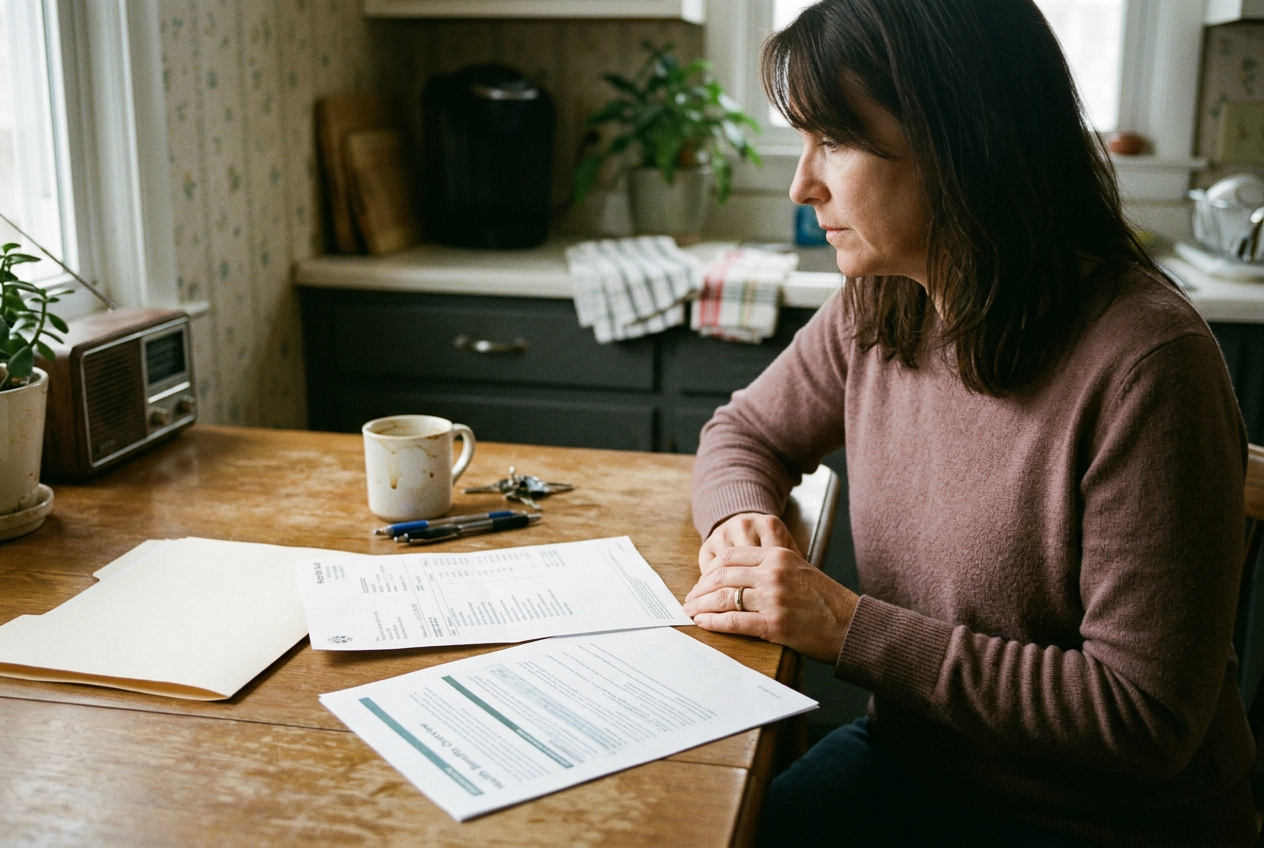
The sentence Elena could not get past appeared midway down the denial letter. The agency agreed that her health problems affected her, but concluded that she could still perform work she had done before.
She had submitted hundreds of pages from her primary care doctor, a cardiology practice, rehabilitation visits and repeated lab work. The file documented fatigue, concentration problems, rapid heart rate and worsening symptoms after exertion. It also contained long stretches where each visit looked much like the last.
None of that answered the question hidden inside the denial: What happened when she tried to work for several hours, repeatedly, on a schedule set by somebody else?
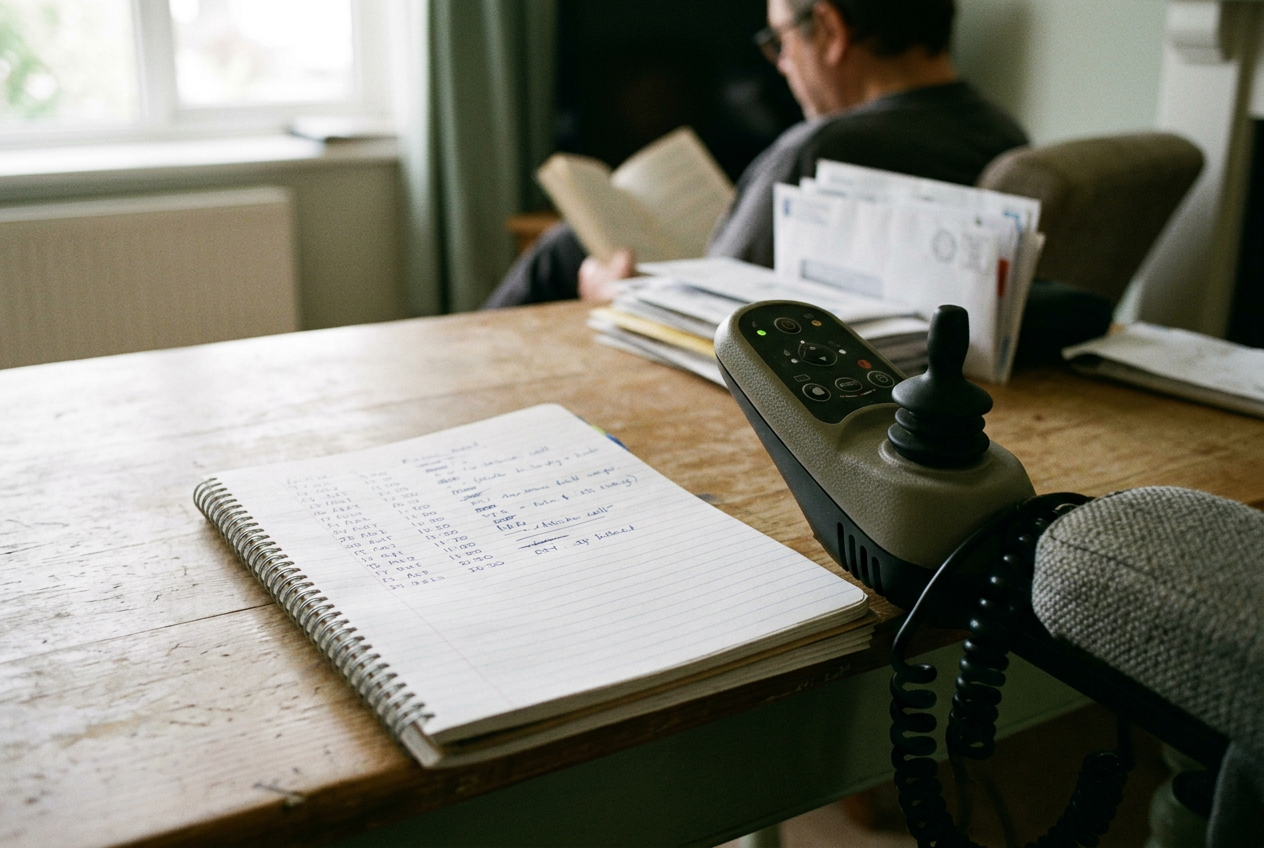
A notebook beside her laptop eventually supplied the missing part.
Elena had started the notebook in March 2023, after a patient advocate asked her to stop recording only symptoms and write down what happened around an activity. One entry covered a morning when she answered email for 25 minutes, lay down for more than an hour, then abandoned a planned grocery pickup because her concentration and balance had deteriorated. Another showed that a medical appointment took up the usable part of the following day.
The notebook was not medical evidence by itself. It gave her doctors and the disability reviewers a timeline they could compare with appointment notes, treatment records and a functional capacity evaluation. That changed the file from a pile of diagnoses into an account of work that could not be sustained.
The records proved illness, not capacity
Elena had worked in payroll administration for 14 years. The job was sedentary in the ordinary sense: a chair, a computer and little lifting. That label caused trouble because sedentary work can still require dependable attendance, sustained concentration and enough physical tolerance to remain upright through most of a workday.
Before long COVID, she worked full time and handled deadline-heavy tasks. After an infection in 2022, she reduced her hours, used leave and attempted remote work. Each adjustment bought some time. None made her attendance predictable.
She applied for Social Security Disability Insurance after being out of work for eight months. SSDI is tied to a worker’s earnings record and payroll contributions. It is different from the needs-based disability program, although both use the same basic disability standard: the medical condition must prevent substantial work and be expected to last at least 12 months or result in death.
That language is colder than it sounds. The agency is evaluating whether a person can perform work with enough regularity to earn above its annually adjusted threshold, not whether she can complete one task on one decent afternoon.
Initial denials are common. Recent Social Security data have generally shown that roughly two-thirds of disabled-worker claims are denied at the initial level, though rates vary by year and jurisdiction. The statistic did not make Elena’s letter less brutal. Five months had passed, and the denial treated isolated normal findings as evidence that she retained more capacity than her daily life showed.
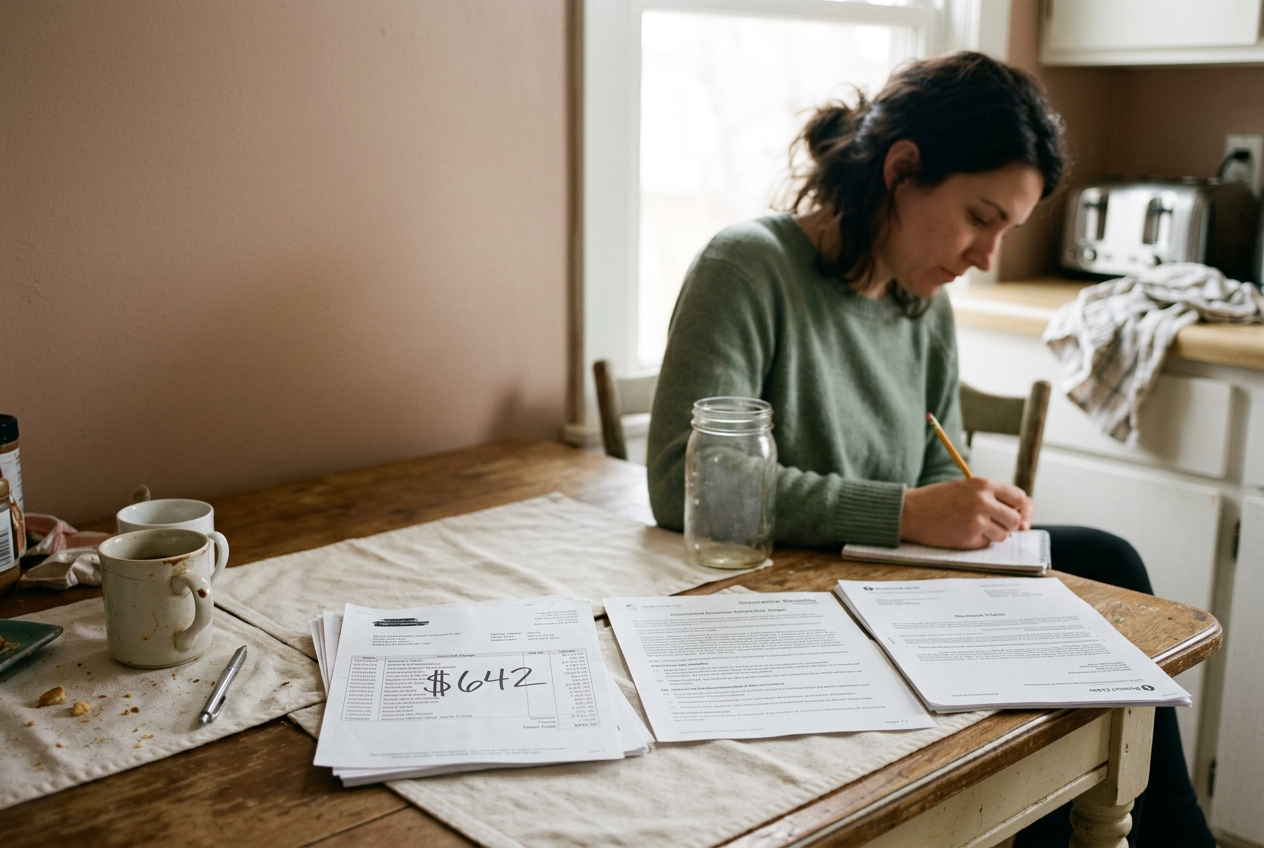
Her downloaded medical record ran 684 pages. Much of it was duplication: medication lists copied forward, test results appearing in several places and visit summaries that documented diagnoses without describing what happened after exertion. The volume looked impressive. The useful material was scattered.
This is where the bureaucracy hides its real demand. A claimant may think, reasonably, that proof of long COVID should establish disability. Social Security separates those questions. A medically documented condition opens the door; the agency then considers how much work-related activity remains possible despite that condition.
The notebook gave the file a timeline
The advocate helping Elena did not ask her to produce a diary of every sensation. That would have generated more paper and little clarity. They focused on two recurring facts: how long she could stay with an activity and how much recovery followed.
The difference mattered. Saying that computer work caused fatigue was broad. The notebook showed that short periods of screen work were followed by long periods lying down, and that pushing through on one day reduced what she could do on the next. Those entries also exposed the problem with a standard medical visit, where Elena might sit upright, answer questions and leave before the delayed consequences appeared.
At later appointments, she brought the notebook rather than trying to reconstruct a month from memory. Her primary care doctor began documenting failed work attempts and the recovery periods Elena described. A rehabilitation clinician recorded variations across visits, including occasions when a modest session was followed by reduced function.
No one supplied a magic sentence. There isn’t one.
Elena also completed a functional capacity evaluation through a rehabilitation provider. These evaluations measure how a person handles work-related demands such as sitting, standing, reaching and maintaining effort. Social Security does not require every applicant to buy or obtain one, and an evaluator does not decide whether someone is legally disabled. The findings become one part of the record.
For Elena, the consequential detail was not a maximum lifting result. It was that her performance declined during repeated activity and that the evaluator documented the need for breaks, along with the difficulty of maintaining pace. The notebook covered what happened afterward, which the evaluation appointment could not fully capture.
The evidence now lined up across different sources. Her account showed the pattern at home. Treatment notes showed that she reported the same pattern over time. The evaluation added observed limits in a work-like setting.
That consistency carried more weight than the thickness of the original records download.
The first appeal still failed
The denial letter gave Elena 60 days to challenge the decision. She requested reconsideration, the first appeal level used in most states, and submitted the newer records with a short chronology connecting them to her work history.
Four months later, another denial arrived.
The second reviewer acknowledged more restrictions but still concluded that Elena could perform sedentary work. The decision relied heavily on activities she could sometimes complete, including preparing food and driving short distances, without fully accounting for frequency, recovery or the help she received.
That is a familiar distortion in disability files. Being able to heat a meal in your own kitchen, with no supervisor and the option to stop, says little about whether you can maintain concentration and attendance across a normal work schedule. The activity is real. The conclusion stretched beyond it.
Elena requested the next appeal, an administrative hearing. By then, 13 months had passed since her application. The advocate helped compress the file rather than add another indiscriminate records dump. A dated summary pointed to the failed work attempt, the functional evaluation and matching entries in the notebook.
Duplicates stayed in the official record, but they no longer controlled the story.
At the hearing, the questions returned to function. Elena described a week in which she completed one administrative task, missed another and spent the next day recovering. She did not present her best day as typical, and she did not claim that she could do nothing. She explained why the activity she retained could not be repeated reliably.
A vocational specialist discussed whether a worker with the limits accepted by the decision-maker could perform Elena’s prior job or other jobs. The dispute narrowed to attendance, time away from tasks and whether her pace could be sustained. Those were the same issues the first application had buried beneath 684 pages.
The approval arrived six weeks later, 18 months after she applied. Social Security found her disabled from an onset date later than the one she had claimed, which reduced the period covered by retroactive benefits. SSDI also has a statutory waiting period before cash benefits begin, so an approval does not mean payment for every month a person was unable to work.
There was no clean victory scene. Elena used part of the back payment for overdue housing costs and set the denial letters inside the notebook. In her case, what worked was a consistent record connecting medical findings to duration, repetition and recovery, followed through two appeal levels. The final page still held the entry about 25 minutes of email.
Questions people ask
Can someone get SSDI for long COVID?
Social Security does not award benefits based on the diagnostic label alone. It evaluates whether medically documented impairments prevent substantial work for at least 12 months. Elena’s claim succeeded only after her records showed how long COVID affected attendance, concentration and her ability to repeat activity across a work schedule.
Is a functional capacity evaluation required for an SSDI claim?
Elena was not told that every claimant needed one, and the evaluation did not determine the legal outcome. It helped because the clinician observed limits during work-related activity, while treatment notes and her notebook showed that the same problems continued outside the evaluation. The agency considered those sources together.
What happens after an initial SSDI denial?
Elena challenged the initial decision within the period stated in her letter. Her first appeal produced another records review and another denial, after which she requested an administrative hearing. Procedures and waiting times vary, but her case took 18 months from application to approval.
What evidence changed this long COVID claim?
No single document won Elena’s case. The useful change was alignment: medical notes recorded failed work attempts, the functional evaluation documented difficulty sustaining activity, and dated notebook entries showed recovery afterward. During the hearing, the notebook stayed open beside her keyboard.
One story a day
The story of the day, in your inbox
One health journey each morning — no advice, no alarm, just company for the road.