A Deaf College Student Got a $35 Fee When Captions Failed
Telehealth gave one student more control over her care, until failed captions and a missing interpreter left her locked out of an appointment she had attended.
 Maya EllisonEditor-in-chief & lead narrator
August 27, 2026 · 8 min read
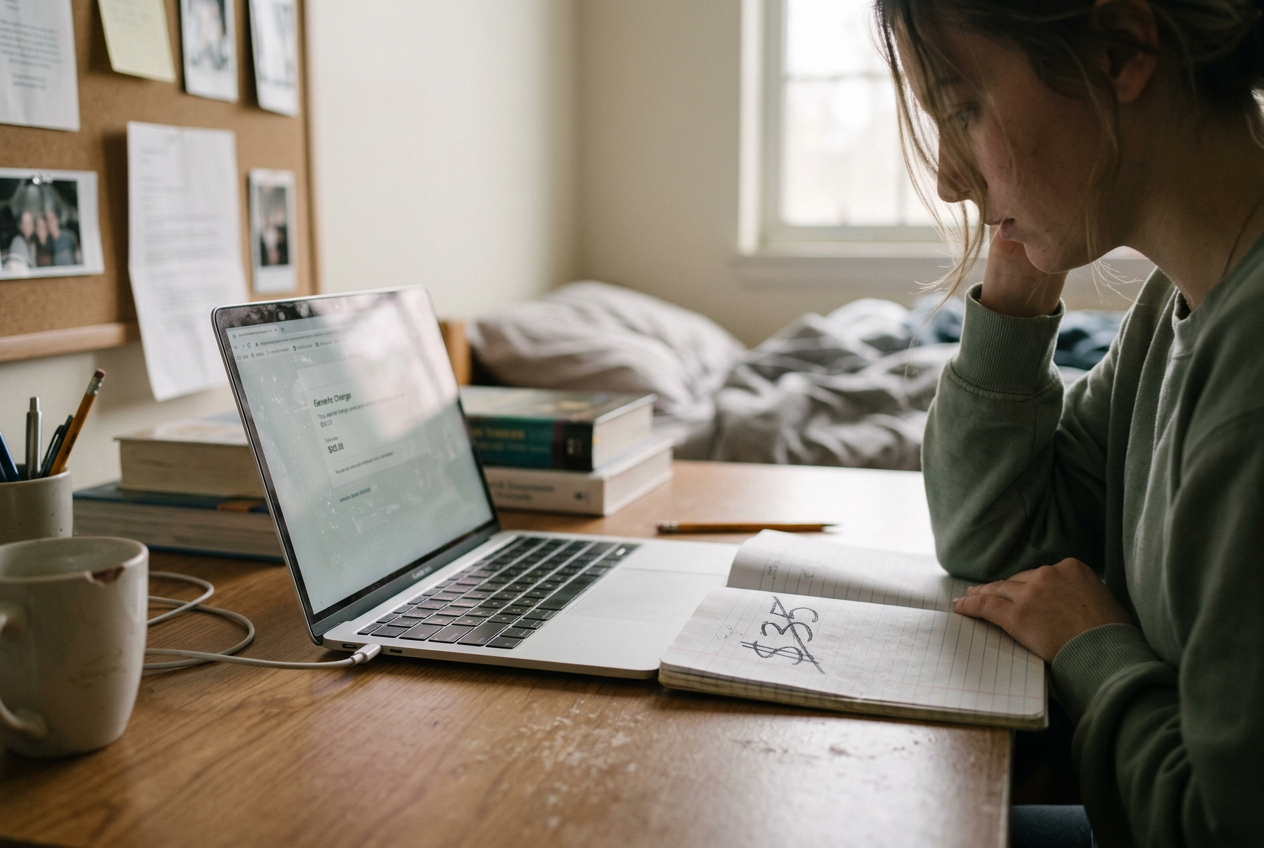
The $35 charge appeared in her patient portal while snow pressed against the dorm window.
She read the line twice. It labeled the telehealth visit as missed. Her laptop was still open on the desk, and the chat box from the appointment had disappeared when the video window closed.
She had logged in. She had waited for 24 minutes. She had watched the primary care doctor’s mouth move in a small square while the caption button remained unavailable and the interpreter she had requested never appeared.
At first, she assumed the platform was still loading. Then the doctor began speaking. She typed into the chat that she could not understand the audio and needed captions or an interpreter, but no response came back. The doctor looked down, looked toward another part of the screen, and continued talking.
She tried to speechread. The video blurred each time the connection shifted. A mask hung below the doctor’s chin and moved back into place when someone entered the room. There was no stable view of the doctor’s face.
After another attempt in the chat, the student left the visit and sent a portal message explaining what had happened. Two days later, the $35 missed-appointment fee appeared.
She took a screenshot.
The first winter on her own
She was in her second year of college and had been living away from home for six months. She had hearing loss from childhood and identified as Deaf. In class, she used an interpreter for some lectures and captions for others, depending on the course and what was available.
Medical appointments had worked differently. Through high school, her mother often sat beside her, taking notes and interrupting when a clinician turned away while speaking. If an office called with a result or a scheduling change, her mother usually handled it.
College changed that arrangement. Her mother was several hours away, and the student wanted to manage her own care, even the dull parts: routine follow-ups, refill questions, insurance messages, and the appointments that ended with nothing more dramatic than another appointment.
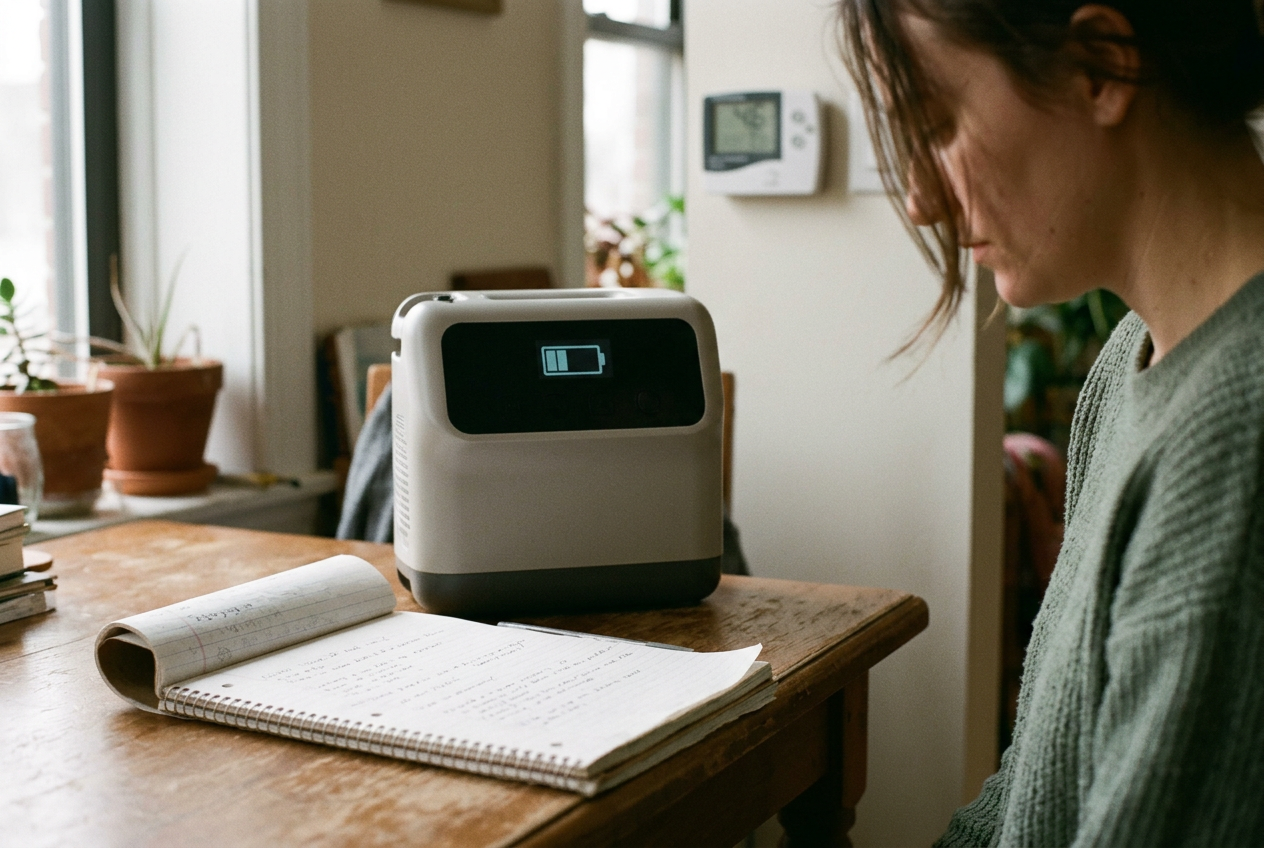
Telehealth seemed built for that independence. She could close her textbook, open her laptop, and attend from the dorm without arranging a ride or asking someone to come along, which mattered during a winter when sidewalks stayed slick and the campus shuttle ran less often during storms.
The first virtual visit went well. Captions appeared along the bottom of the screen, a little late but readable. She wrote down two follow-up tasks and sent one question through the portal afterward. No one else had to listen for her.
She began to trust the setup.
That trust rested on features she could not see until the appointment started. One platform offered automatic captions. Another did not. Some offices could add an interpreter to the video visit, while others recorded the request and still opened the call without one.
Portal messages created a written record, but replies sometimes directed her to call the number on the back of her insurance card or contact the office by phone.
The technology looked consistent from the dorm desk. The access was not.
The meaning of the fee
The $35 portal line bothered her less as a bill than as a record of what the clinic believed had happened. She had not forgotten the appointment. She had not overslept or closed the laptop. She had arrived prepared, then lost access while the visit continued without her.
She sent another message and attached the screenshot. The reply said the office would review the charge. It also asked her to call about rescheduling.
For three days, she considered asking her mother to make that call. The old arrangement would have been faster. Her mother knew when to interrupt a long recorded menu and how to repeat a request until it reached someone who could act on it.
Instead, the student contacted the office through the portal again. She explained that a phone call without relay access would create the same problem and asked for written scheduling. The next reply offered two appointment windows and noted that an interpreter request would be added.
That felt like progress, although it required her to restate a need already documented in her chart and in the message attached to the failed visit. She chose a window, saved the confirmation, and wrote $35 at the top of a page in her class notebook so she would remember to check the portal.
The rescheduled appointment happened eleven days later. An interpreter joined. The doctor paused when the student typed and faced the camera while speaking. She left with the information she had expected to receive the first time.
The fee remained.
Weeks passed. Snow collected along the path outside the residence hall and then turned gray at the edges. She checked the portal between assignments, sometimes finding a new message but no change to the charge. The billing office said the clinic had to correct the visit status.
The clinic said the review was still open.
Her notebook stayed beside the laptop. Every few days, she circled the $35 again.
Access that changed from visit to visit
The winter brought more telehealth appointments. None failed in quite the same way.
During one visit, automatic captions worked until the clinician shared a screen, and then the text covered part of the material being discussed. In another, the interpreter arrived after the conversation had started, leaving the student to decide whether to interrupt and ask for the beginning again.
A specialist’s office handled the request differently. A staff member confirmed through the portal that an interpreter would attend, and the video visit opened with everyone present. The specialist waited while the interpreter finished signing, which slowed the exchange enough for the student to take her own notes.
That appointment was ordinary. This was the point.
She did not need every clinician to understand the mechanics of captioning software. She needed the office to recognize that the appointment was not accessible merely because a video link had been sent, and that asking her to listen by phone after a failed video visit did not solve the problem.
Her college disability office could address classroom access, but its arrangements did not automatically follow her into a clinic’s platform. Each healthcare office had its own system, and within the same office, the result could depend on which platform opened, whether a request reached the person setting up the call, and whether anyone noticed the chat.
She became more deliberate. Before an appointment, she sent a short portal message noting the access arrangement she expected. She saved the reply. If the visit opened without it, she put the problem in the chat and took a screenshot rather than spending the whole appointment trying to reconstruct speech from a moving image.
These habits gave her evidence. They also gave her more work.
The independence she wanted had begun as something clean: a closed dorm door, her own questions, no parent leaning into the frame. By February 2022, it included checking which video system an office used and keeping a written trail when the system failed, tasks that hearing patients around her rarely had to consider before a routine visit.
Still, she stopped asking her mother to join. Once, after a portal reply again directed her to call, she forwarded the message home and nearly wrote a request for help. She deleted the draft. The office eventually scheduled by message.
There was no clean handoff from dependence to independence. Some weeks she managed every exchange herself. During finals, after an interpreter request went unanswered for eight days, her mother helped her write a follow-up message because the student was tired and wanted the appointment settled.
The line disappeared
In March 2022, almost two months after the failed visit, the $35 charge vanished from the portal. There was no detailed explanation. A short billing message said the account had been updated.
She opened her notebook and drew one line through the amount. Then she left the page in place.
The notebook filled with lecture notes during the spring. The crossed-out figure stayed near the front, beside a few words about the absent interpreter and the chat no one answered. She did not keep it as a symbol. She kept it because another office might describe another inaccessible appointment as missed.
Later that semester, she opened a telehealth link for a routine follow-up. The interpreter was already on screen. The clinician introduced herself, looked toward the camera, and paused.
The student closed the notebook.
Questions people ask
Can a
Deaf patient request an interpreter for telehealth?
In this story, the student requested interpreters through the patient portal and asked for written confirmation before visits. The request did not always reach the person opening the video call, so the saved portal messages became part of how she documented what had been arranged.
Why were automatic captions not enough?
Caption quality changed across platforms and connections. Text sometimes lagged, disappeared during screen sharing, or was unavailable altogether. The student used captions successfully in some visits, but she could not rely on a caption button being present just because an appointment was labeled telehealth.
Did she have to pay the missed-appointment fee?
She disputed the $35 charge through the portal and attached a screenshot showing that she had reported the access failure. The clinic and billing office reviewed it for almost two months. The charge was removed without a detailed explanation.
Did portal messaging make her care accessible?
Portal messages gave her a written record and sometimes let her schedule without a phone call. They did not ensure that captions or an interpreter would be present once a visit began. In March 2022, one portal update confirmed that the $35 line was gone.
One story a day
The story of the day, in your inbox
One health journey each morning — no advice, no alarm, just company for the road.