The Notebook Behind a Late Autism and ADHD Identification
At 45, after decades of sensory overload, recurrent burnout, and unsuccessful SSRI treatment, a woman found an explanation that changed the evidence she had kept.
 Theo MarshNarrator, The Long Road
August 5, 2026 · 7 min read

The notebook begins in June 2018, when she was 39. On the first page, beneath the month and year, she wrote two words: “tired again.”
By then, tired had become the word used for everything. It covered the afternoon she spent behind a locked bedroom door after a family gathering, unable to tolerate another voice. It covered the headaches after grocery shopping and the mornings when choosing clothes took so much effort that she missed breakfast. It also covered a recurring collapse in her ability to answer email, speak in meetings, or make dinner, though she could still complete enough work that other people called her dependable.
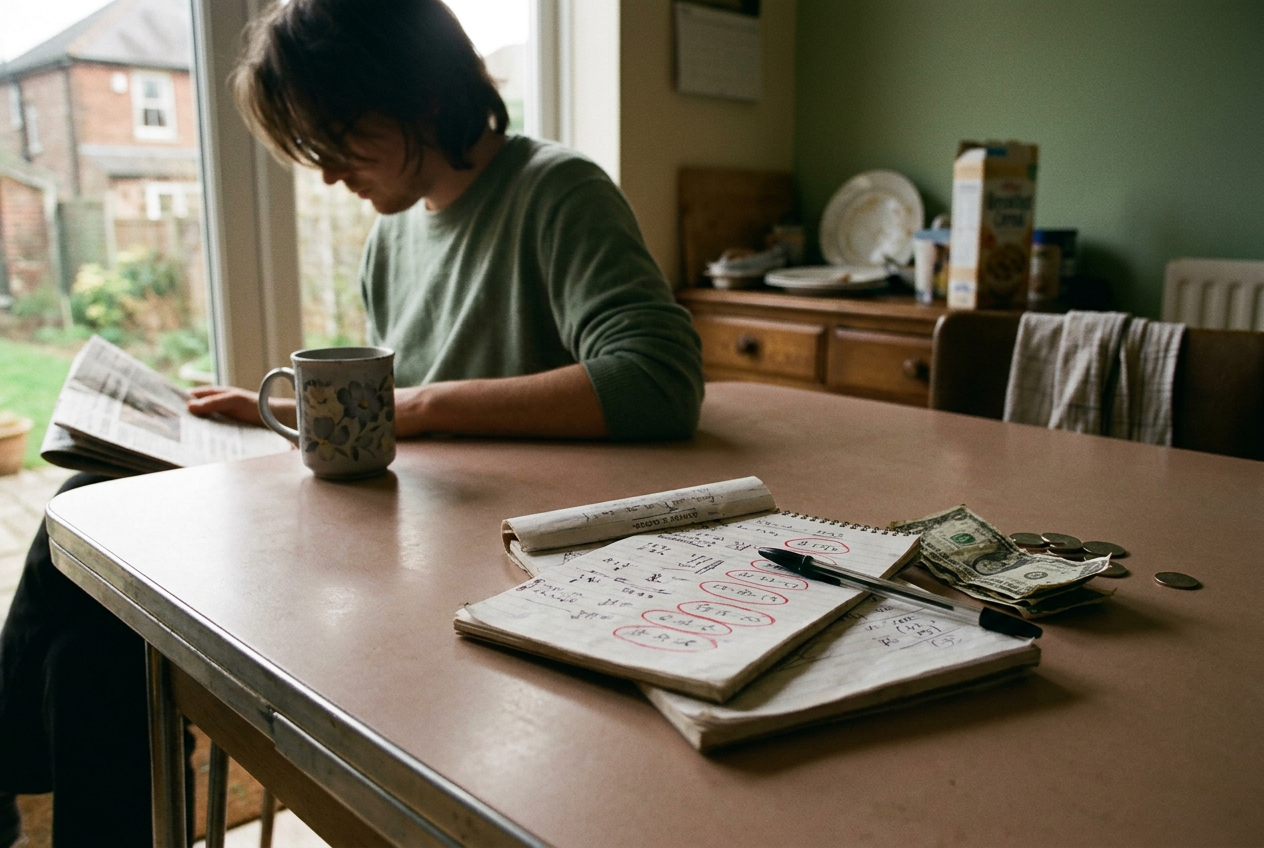
The notebook was an attempt to make the problem visible. She recorded sleep, menstrual cycles, medication changes, and the days she left work early. She noted sounds that hurt and conversations she replayed for hours. Over six years, she filled 84 pages.
The woman in this story is a composite, called Mara here, assembled from recurring accounts shared publicly by women who reached middle age before autism and ADHD were identified. The details have been combined and altered so that no individual is recognizable. The sequence remains familiar: years of functioning that looked convincing from outside, recurrent burnout, treatment for anxiety or depression, and a late reassessment of what functioning had required.
Mara remembers learning early that discomfort was information to withhold. In elementary school, she cried when the cafeteria became loud, so she was told to stop being dramatic. Clothing tags bothered her. Fire drills left her shaking.
She watched other girls closely enough to copy when they laughed and how long they looked at one another, although she did not have words for that effort.
Her grades were good. That mattered more.
At home she lined up books and reread the same novels. Assignments disappeared inside her backpack until panic made them possible. Teachers described her as bright but careless, then quiet and mature, depending on which part of her they saw. No one connected the missed work to the child who could discuss a preferred subject in exhaustive detail.
Autism was rarely considered in girls like her, and ADHD was still associated with children whose movement disrupted a classroom.
The first prolonged burnout came after college, during her first full-time office job. For eleven months she arrived early, volunteered for extra work, and copied the communication style of a colleague who seemed well liked. She kept a private file of phrases that sounded professional. At home, she ate the same dinner most nights because another decision felt unavailable.
Then she stopped sleeping properly. Noise from neighboring desks became painful. She began crying in the car before work and used sick days in pairs, returning after she had recovered enough to speak without losing track of sentences.
A primary care doctor called it anxiety. Mara agreed because anxiety was real, even if it did not account for the whole pattern. She began an SSRI and waited through the expected trial period. Her worry shifted, but the sensory distress and exhaustion remained.
A later medication made her feel slowed down. Another caused side effects she found difficult to tolerate. Across roughly 18 years, several doctors returned to the same category, sometimes adding depression when she could no longer manage daily tasks.
“Give it six weeks,” one doctor told her during an early trial.
Years later, after bloodwork did not explain another period of exhaustion, a different doctor said, “Your labs are normal.” The statement was accurate within its limits. It became a stopping point anyway.
Mara kept working. She married, raised a child, and changed jobs four times. Each move brought a temporary improvement because the expectations were new and she could study them. Within two or three years, the effort of tracking tone, tolerating interruptions, and recovering privately from ordinary contact became harder to conceal.
Her employers mostly saw competence. Performance reviews praised her attention to detail while asking her to be more flexible. Coworkers sometimes described her as calm, unaware that she spent lunch in her car and avoided evening plans so she could return the next morning.
In June 2018, after she forgot a familiar route home and pulled into a parking lot to cry, she bought the notebook. The entries were sparse at first. “Meeting changed.” “Couldn’t eat after store.
” “Bathroom fan.” She did not explain the phrases because she knew what they meant: an unexpected agenda had disrupted her ability to contribute, the grocery store had left her nauseated, and a sound other people ignored had made it hard to think.
The notebook also showed recurrence. In October 2018, she took nine workdays off. In February 2020, she used nearly all her remaining paid leave. By August 2021, she was recording periods when spoken language became difficult at home, though she could still force brief replies during video meetings.
This was the part clinicians often missed. Mara could perform for an appointment. She prepared a summary, wore clothes that did not bother her, and watched the doctor’s face for cues. The effort made her account look orderly at the moment she was trying to describe disorder.
One primary care doctor looked at her work history and said, “You’re doing well at your job.” Mara opened the notebook to the page showing 16 days of leave taken within five months. The doctor glanced at it, then returned to the computer.
“Let’s treat the anxiety first,” she said.
Mara tried another SSRI. After four months, she reported that she felt less acute worry but remained unable to tolerate routine office noise or recover from social demands. The medication was changed again. She stopped bringing the notebook to appointments for a while.
In October 2022, during another stretch of reduced work, Mara read a public account by an autistic woman who had been identified in her forties. The description of masking held her attention: rehearsing ordinary exchanges, suppressing visible distress, and appearing socially capable through sustained observation. She then read about ADHD in women whose attention could become intense around preferred work yet unreliable around routine tasks.
Recognition was not proof. She knew that. It gave her a more precise set of questions.
She returned to the notebook and marked every entry involving sensory distress. Then she marked the pages where an unexpected change had preceded shutdown, or where she had missed an obligation despite writing it down. Patterns previously divided among anxiety, low mood, hormones, and poor sleep now sat beside one another.
Her primary care doctor referred her for a neurodevelopmental assessment. Insurance would cover part of one option, but the wait estimate exceeded a year. Another practice offered an earlier appointment for $2,400, most of it out of pocket. Mara waited seven months before paying a deposit, then another four months for the evaluation.
The assessment took place across multiple appointments. The clinician asked about childhood routines, friendships, sensory experiences, and the gap between what Mara could do occasionally and what she could sustain. A family member supplied memories from school. Mara submitted old report cards and 23 photographed notebook pages.
At one appointment, the clinician asked why she had made eye contact throughout their conversation. Mara explained that she was watching the clinician’s eyebrows and reminding herself to look away at intervals. She had practiced this since adolescence. Eye contact was not absent.
It was managed.
In September 2023, when Mara was 45, the written assessment identified autism and ADHD. It also documented anxiety, without using anxiety to explain every other difficulty.
The relief was immediate and incomplete. She read the report in her parked car and cried. Later she became angry about the appointments in which evidence had been reduced to mood, particularly the years when unsuccessful treatment was treated as a reason to repeat the same approach rather than reconsider the frame.
There was no clean division between before and after. The identification did not restore lost leave, remove sensory limits, or settle how much of her working life could continue unchanged. She also questioned memories she had once filed under personal failure. Some became easier to understand.
Others did not.
Mara asked to work from home more often and to receive advance notice when meeting plans changed. The request required documentation, but the consequential change was ordinary: she stopped spending most lunch breaks recovering in her car. She bought earplugs for the grocery store. At home, she began saying she needed quiet rather than claiming a headache.
The notebook remained useful, though its entries changed. In January 2024, she wrote that a family visit had gone well, followed by the fact that she had rested for most of the next day. In March, she recorded a missed bill and a completed work project on the same page. Neither canceled the other.
One evening, after a routine appointment, Mara placed the notebook beside her pill organizer on the kitchen table. The doctor had asked how she had been doing. She had answered without presenting a polished summary and had paused when she lost her place.
The next morning, the notebook was still there. She opened it, wrote “grocery store, left before headache,” closed the cover, and put the earplugs in her coat pocket.
Questions people ask
Why were her autism and ADHD identified so late?
Her grades, work history, and practiced social behavior made her appear capable, while she concealed sensory distress and recovered in private. Clinicians repeatedly framed her difficulties as anxiety or depression, even when treatment did not resolve the broader pattern.
How did the notebook help with her assessment?
She recorded sleep, medication changes, missed work, sensory distress, shutdowns, and difficulties with unexpected changes or obligations. Reviewing the entries together revealed recurring patterns that had previously been separated into anxiety, mood, hormones, and poor sleep.
What changed after she was identified as autistic and having ADHD?
The identification brought relief and anger but did not remove her limits or restore lost time. She requested more remote work and advance notice of meeting changes, used earplugs in the grocery store, and became more direct about needing quiet and recovery.
One story a day
The story of the day, in your inbox
One health journey each morning — no advice, no alarm, just company for the road.