After a Stroke at 27, She Used a Notebook to Live Alone Again
Depression changed how Maya saw herself after a stroke at 27. A notebook helped her record the slow return of privacy, paid work, and choices that belonged to her.
 Nadia OkaforNarrator, Mind & Body
August 22, 2026 · 8 min read

Maya is the name used for this composite account. Before the stroke, her notebook lived near the apartment door. She used it for grocery lists, reminders about rent, and the occasional sentence she wanted to keep. Most pages stayed blank.
In January 2022, she woke with weakness on her right side and difficulty speaking. She remembers reaching for her phone, then being unable to make her hand do what she intended. At the hospital, the word stroke seemed incompatible with being 27, with having plans for the weekend, with the unanswered work messages still waiting on her screen.
She spent 11 days in the hospital and another seven weeks moving between appointments and rehabilitation sessions. Her mother came to stay. Friends brought meals. People praised every visible gain, especially when Maya walked farther or spoke without pausing, but she could not explain that being congratulated sometimes made her feel worse.
She was grateful to be alive. She was also angry.
The person who came home
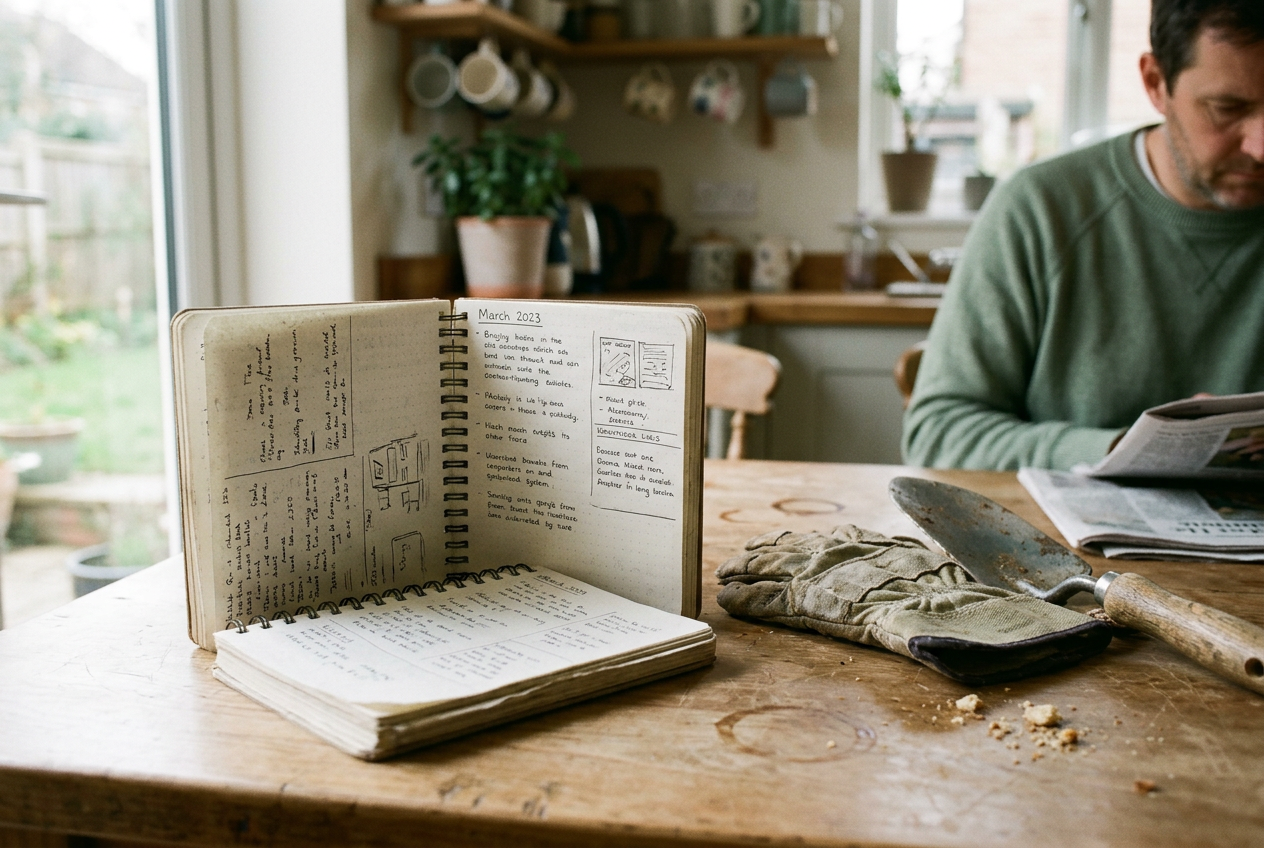
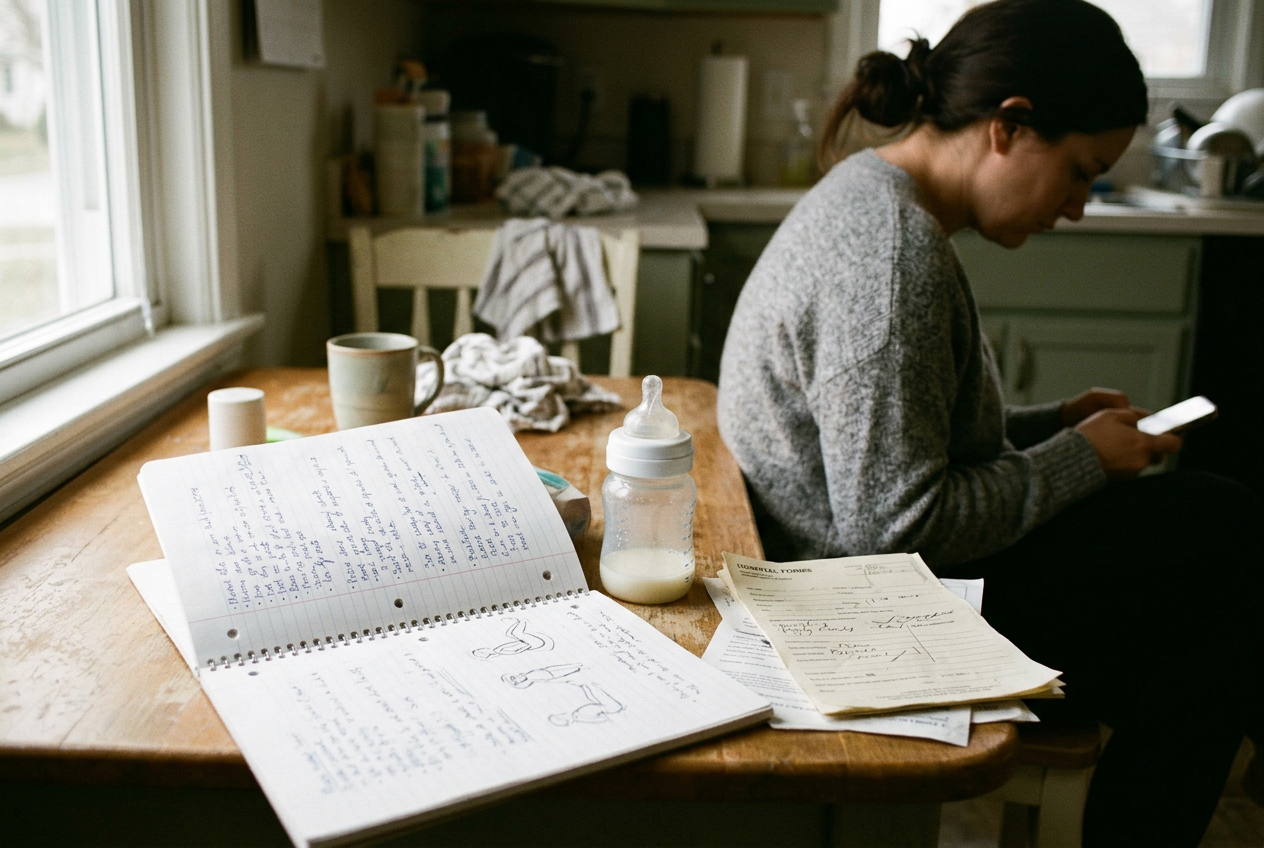
At home, the notebook moved to the kitchen table. Her occupational therapist had suggested writing down tasks that felt difficult, so Maya recorded ordinary failures: a jar she could not open, a shirt abandoned because the buttons took too long, a meal she forgot on the stove.
Her mother read the pages once, thinking they were instructions. Maya snapped at her and then cried in the bathroom. Privacy had become difficult to defend when she needed help washing her hair and could not safely carry a full pot from the stove. Even kindness could feel intrusive.
Before the stroke, Maya had worked full time and paid her own bills. She had lived alone for three years. Now her mother listened from the next room while she spoke with the insurance company, stepping in when Maya lost a word or became tired. The help solved the immediate problem.
It also left Maya feeling younger than she was.
Her body no longer matched the person she held in her mind. One side of her mouth moved differently. Her right arm tired quickly. Photographs made her study details she believed other people would notice first, though no one had said they did.
The notebook became a handrail. On difficult days, she could turn back and find evidence that something had changed: she had tied her shoes without help, finished a shower standing up, or made lunch and cleaned the pan afterward. None of it felt impressive while she was doing it. Written down, it was harder to dismiss.
When sadness stayed
During the first weeks, Maya expected to feel frightened and sad. A stroke was a hard thing, and those feelings did not need to be treated as proof that something was wrong with her response. What unsettled her was the way pleasure began to disappear.
She stopped opening messages from friends because answering required words she could not always find. Music irritated her. Food became something she ate because her mother placed it nearby. On rehabilitation days, she completed what was asked and returned home exhausted, then lay awake despite wanting sleep.
Four months after the stroke, her primary care doctor asked about her mood and daily life. Maya initially described fatigue. After more conversation, she admitted that she sometimes wished she could skip whole weeks of recovery and wake when everyone had stopped watching her improve.
The doctor discussed depression after stroke, including the strain of sudden disability and the changes a brain injury can bring. For Maya, hearing that the experience had a recognized name did not settle whether it came from grief, the stroke itself, or both. It did remove one accusation she had been making against herself: that she was failing at being grateful.
She began meeting with a mental health professional familiar with serious illness and disability. They spoke about the distance between accepting help and surrendering every decision. Maya also discussed treatment with her doctor. Progress did not become steady, and sadness did not disappear, but she started noticing which losses were physical and which conclusions she had attached to them.
Needing help with a zipper did not mean she was incapable of intimacy. Speaking more slowly did not make her less intelligent. Those statements felt obvious when applied to another person. She had trouble believing them about herself.
Work made the changes visible
After five months away, Maya returned to her job on reduced hours. She worked from home and was excused from leading client presentations while speech still exhausted her. The arrangement allowed her to earn money again, but watching colleagues handle work that had once been hers brought shame she had not expected.
A supervisor began sending written follow-ups after meetings. That single change mattered more than the longer accommodation paperwork because Maya no longer had to spend her limited attention taking notes while also trying to speak. She could read the message later and respond in her own time.
Still, she worried that every pause confirmed someone’s private doubt. On one afternoon, she closed her computer after forgetting a familiar term and wrote in the notebook that she had contributed nothing. Two days later, she reread the meeting summary and saw that a suggestion she had made was now part of the project.
The notebook did not correct her feelings. It preserved facts that depression often left out.
Money made dependence more concrete. Maya had not been cleared to drive, and rides to appointments cost $312 during one month. Her mother covered part of it without asking to be repaid. Maya entered the amount in the notebook, circled it, and avoided the page for weeks.
When she later received permission from her specialist to begin driving again, she practiced with someone beside her. Her first solo trip was to a grocery store less than two miles away. She bought eggs and detergent, then sat in the parked car until her hands stopped shaking. The receipt went between two notebook pages.
Asking for the apartment back
Ten months after the stroke, Maya told her mother she wanted to try living alone again. The request hurt them both. Her mother had spent months responding to risk, and Maya understood why moving out sounded premature to her. Maya also knew that waiting until neither of them felt afraid could mean waiting without an end point.
They agreed that her mother would return home but remain available. Other arrangements were compressed into a few practical conversations. The consequential change was the apartment door closing with Maya on the inside and no one else there.
The first evening was quiet. She reheated food, left the plate in the sink, and went to bed earlier than she planned. Independence looked less impressive from inside it. There was no witness, which was part of what she had wanted.
At 18 months, Maya was working more hours, though she still avoided comparing her pace with the year before the stroke. Depression remained something she discussed in appointments rather than a chapter she considered finished. Some weeks she used the notebook daily. Sometimes it sat untouched.
One page held the grocery receipt from her first solo drive. On the next, beneath a work reminder, she had written down that she asked a friend to come over because she did not want to spend the evening alone.
Questions people ask
Can depression happen after a stroke in a young adult?
Maya’s experience showed that depression can become part of recovery even when someone is young and making physical gains. Her doctors considered both the emotional impact of sudden disability and changes associated with brain injury. Naming depression did not erase her grief or suggest that every painful reaction required a medical label.
Why did going home feel harder than rehabilitation?
Rehabilitation gave Maya defined tasks and people who understood why they were difficult. Home exposed what she could no longer do privately, including cooking, dressing, and handling insurance calls. Her mother’s help made daily life possible, yet it also changed their relationship and forced Maya to negotiate independence while she still needed care.
How did she rebuild independence without pretending nothing changed?
She chose a few decisions that mattered to her, including returning to paid work and asking to live alone again. She still accepted rides, written meeting follow-ups, and help from her mother. Independence became less about doing everything without support and more about having a say in what happened to her.
Did returning to work fix how she saw herself?
Work restored income and gave Maya contact with a familiar part of her life, but it also exposed her fear that colleagues saw her as less capable. A written meeting summary helped her recognize a contribution she had dismissed. She recorded it in the same notebook that still held the receipt for eggs and detergent.
One story a day
The story of the day, in your inbox
One health journey each morning — no advice, no alarm, just company for the road.