A Montana Rancher Chose Five Radiation Treatments Over Surgery
His early-stage lung cancer could be treated two ways. A notebook made clear that calving help, 356-mile round trips, and recovery time belonged in the decision.
 Daniel ReyesNarrator, Navigating Care
August 10, 2026 · 8 min read
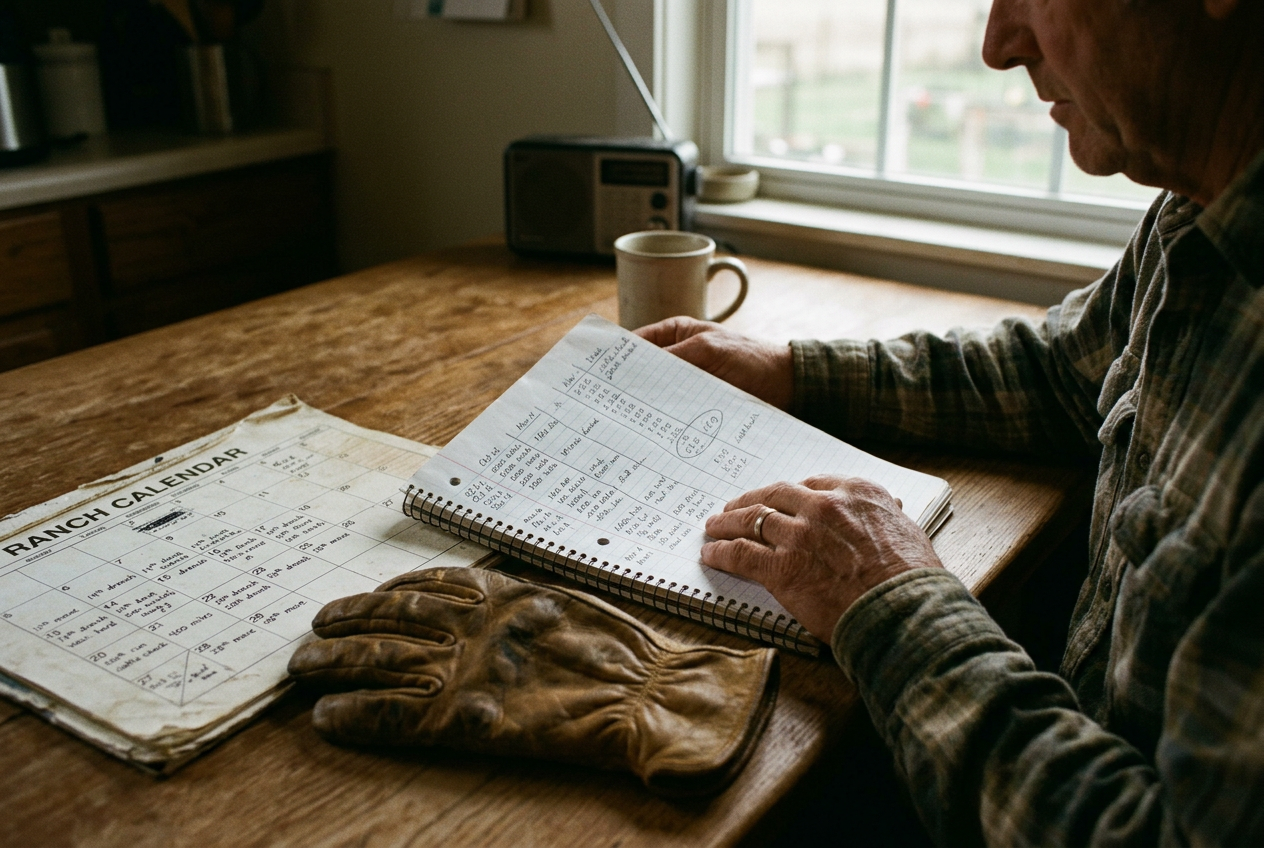
The notebook started with mileage.
He lived 178 miles from the cancer center, which made every appointment a 356-mile round trip before weather, fuel stops, or a night in a motel entered the calculation. He wrote that number at the top of a page after his primary care doctor referred him for a lung nodule found on a chest scan.
Below it, he recorded what followed: another scan, a biopsy, breathing tests and visits with specialists in surgery and radiation. The biopsy showed non-small cell lung cancer. Imaging suggested a single 1.8-centimeter tumor in one upper lobe, with no sign that it had reached lymph nodes or distant organs.
His team described it as clinical stage IA2, an early stage at which treatment may be aimed at eliminating the cancer.
That sounded like good news. It was. It also opened two doors.
The surgeon discussed removing the tumor, most likely with the affected lobe, while checking nearby lymph nodes. The radiation specialist discussed stereotactic body radiation therapy, usually shortened to SBRT, which would aim concentrated radiation at the tumor over five treatments.
He had expected a recommendation. Instead, he had a decision.
Two treatments with different burdens
Surgery has long been the usual treatment for many people healthy enough to undergo an operation for stage I non-small cell lung cancer. It removes tissue that can be examined afterward, including lymph nodes, which can reveal disease that scans missed. An operation also brings anesthesia, a hospital stay, pain, and a recovery period during which lifting and ranch work may be restricted.
SBRT compresses radiation into a small number of high-dose treatments. It avoids an operation and is widely used when a person cannot have surgery because of other health problems. It may also be considered by some people who could undergo surgery but decline it after discussing the tradeoffs with their care team. SBRT does not remove lymph nodes for examination, and comparisons with surgery in otherwise operable patients are less settled than anyone facing the choice might wish.
The specialists did not pretend the two routes were interchangeable. They explained what each could accomplish, where uncertainty remained, and what his breathing tests suggested about tolerating an operation.
His lung function was reduced but not disqualifying. Decades of ranch work had not protected him from years of smoking when he was younger, although he had quit more than twenty years earlier. The surgeon considered him operable, with risks that were meaningful rather than prohibitive. That bureaucratic-sounding word, operable, hid quite a lot: the team believed surgery was medically possible, not that recovery would be easy or that the ranch would pause while he healed.
He copied six to eight weeks into the notebook beside the surgery discussion. That was the broad recovery window he had been given, subject to how the operation went and what his care team allowed afterward. The problem was written on the next line: calving had begun.
His herd included 63 cows. Nineteen were expected to calve within the coming month, and while most births required little from him, the exceptions could mean pulling a calf, moving an animal, repairing a gate, or working outside after dark. His wife had died five years earlier. Their daughter lived about 90 miles away and had a job she could not leave for weeks.
Cancer care often labels transportation and caregiver support as social factors. That wording makes them sound secondary. On his ranch, they determined whether either medical plan could happen without animals going unattended or a family member losing income.
The notebook changes the comparison
At first, surgery appeared to require less travel. He would go to the center for preoperative care, the operation, and follow-up, rather than make five treatment trips for radiation. Yet one long hospital episode was not one simple trip. He would need someone to drive him home, stay nearby while he was hospitalized, help after discharge, and take over work he could not safely do.
His daughter offered to use paid leave, but she had less than two weeks available. A nephew could cover 12 mornings during calving season. A neighboring rancher could check animals on nights when weather or a difficult birth made that necessary, though he had his own herd and could not become the full-time solution.
The notebook turned those offers into a calendar. There were gaps everywhere.
SBRT created a different problem. Before treatment, he needed a planning scan so the radiation team could map the tumor and account for movement as he breathed. Then came five treatments spread across about ten days. Each session was brief compared with surgery, but the road remained 178 miles long, and spring weather in rural Montana does not respect an oncology schedule.
He wrote seven round trips in the margin, counting the radiation consultation and planning visit along with treatment. That came to 2,492 miles. A motel near the center was quoting about $117 a night before taxes, while staying overnight would still require somebody else to cover the ranch.
The cancer center’s social worker helped compress part of the burden. The planning visit could be paired with another appointment, and the treatment schedule could be set before his daughter requested leave. A lodging assistance program might cover some nights, although availability was not guaranteed. His insurer authorized the treatment after receiving records from the cancer center, removing one uncertainty without solving the distance.
There was indignity in how much coordination fell back on him. A 74-year-old man with lung cancer became the person carrying information among an insurer, a hospital, relatives, and two medical specialties, then checking whether the proposed dates collided with the work keeping his ranch alive.
The notebook held the pieces because the system did not.
The choice becomes practical
He asked for another joint review of his case. The specialists went over the scan findings, biopsy result, breathing tests, expected recovery, and limits of what each treatment could establish. No new test made the decision for him.
The surgical route offered removal of the tumor and examination of lymph nodes. It also carried a substantial chance that he would be unable to do heavy ranch work during the busiest part of spring, with no person available to replace him for the whole recovery period. Waiting until calving ended was discussed, but delay brought its own medical concern and no promise that his support problem would improve.
SBRT required repeated travel and carried possible effects on nearby lung tissue, ribs, and airways, depending on the tumor’s location. Fatigue or cough could develop, and some radiation effects might appear later rather than during treatment. Still, the team expected less interruption to his physical independence than after an operation.
He chose SBRT.
That sentence makes the decision sound cleaner than it was. He did not reject surgery as a bad treatment, and radiation did not become risk-free because it fit his life better. His choice reflected a medically available option weighed against 2,492 miles of treatment travel, limited lung reserve, a likely surgical recovery measured in weeks, and a ranch without a full-time substitute.
His daughter drove for the planning appointment and the first treatment. For the remaining sessions, relatives divided the trips while his nephew covered the cattle. They used two motel nights when weather made a same-day return unreasonable. The lodging program covered one of them; he paid $117 plus tax for the other.
Treatment finished within ten days. He experienced fatigue and a mild cough afterward, which his care team monitored. Follow-up imaging was arranged through the cancer center, with one later visit conducted remotely so that a scan completed closer to home could be reviewed without another 356-mile drive.
Months later, the notebook still sat near the ranch calendar. The first page contained the tumor size and stage. The pages that decided matters contained mileage, motel cost, the five treatment dates, and the 12 mornings his nephew could cover.
Questions people ask
Is surgery always used for stage I non-small cell lung cancer?
Surgery is a common treatment for operable stage I NSCLC and can provide tumor and lymph-node tissue for examination. In this story, SBRT was also medically available after specialist review, and the rancher chose it after considering his lung function, recovery demands, distance from care, and uncertainty about who could replace him.
How many trips can SBRT require?
His radiation course involved five treatments, plus consultation and planning, for seven round trips totaling 2,492 miles. The number and spacing of visits vary by treatment plan and center; pairing appointments and arranging some follow-up remotely reduced his travel, but the five treatment visits still required drivers and ranch coverage.
Did insurance approval solve the access problem?
No. Authorization meant his health plan accepted the treatment for coverage under his benefits, but it did not create transportation or guarantee free lodging. The cancer center’s social worker helped coordinate dates and identify limited lodging support, while his family still supplied drivers and he paid one $117 motel charge himself.
Did choosing radiation mean there was no recovery period?
He avoided hospitalization and the lifting restrictions expected after lung surgery, but treatment was not consequence-free. Fatigue and a mild cough followed, and he still needed ongoing scans. After his last treatment, he crossed out the final travel date in the notebook and wrote the next scan month beneath it.
One story a day
The story of the day, in your inbox
One health journey each morning — no advice, no alarm, just company for the road.