The Long Two Weeks Between the Test and the Result
After eleven scans, Nadia Okafor writes on the physical weight of waiting for medical results and why fear in the dark is a completely normal reaction.
 Nadia OkaforNarrator, Mind & Body
July 15, 2026 · 5 min read
The eleventh time is not easier. People assume that sliding into a magnetic tube gets routine after ten tries. They compare it to taking a car in for a state inspection.
Steel stays steel. Human tissue shifts. You do not build immunity. You learn the outline of the shadow.
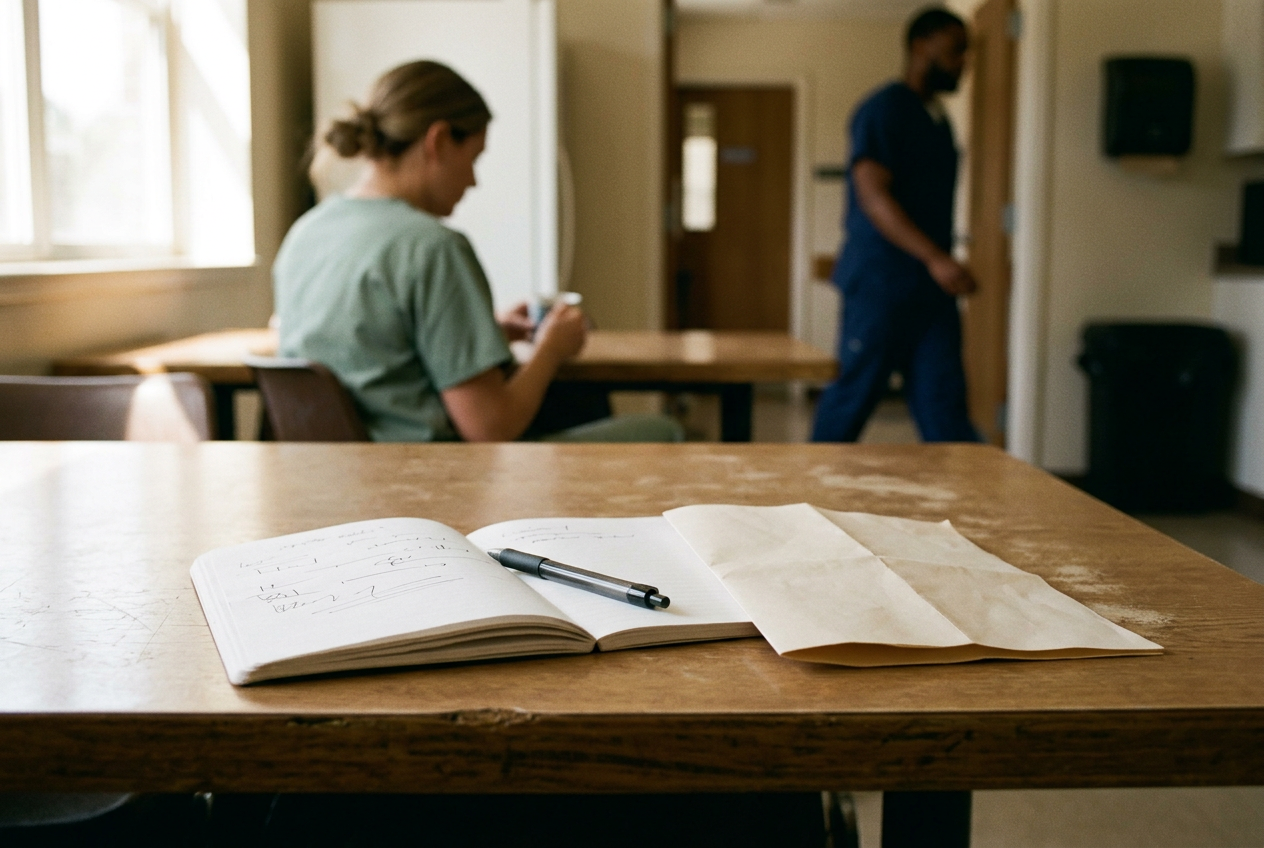
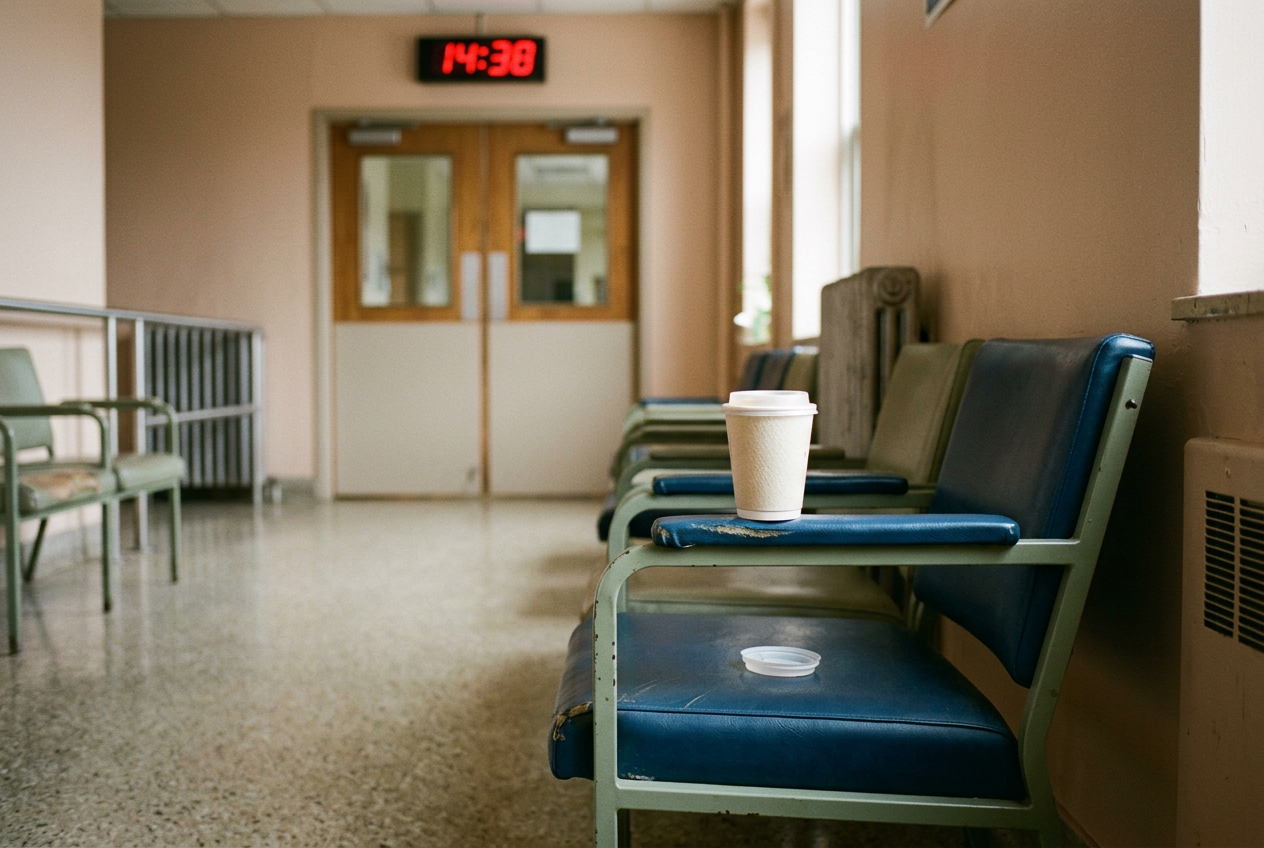
I sat in the waiting room at the hospital in October. The floor smelled of cleaner. Six people sat on chairs, staring at their knees. A clerk handed me paperwork.
The technologist called my first name.
I took off my watch and stepped into a changing cubicle. Gown open at the back. Slippers on. The scanner room stays at sixty degrees Fahrenheit to protect the magnets.
Contrast dye rushes up your arm. Warmth spreads inside your shoulder. A voice through the speaker tells you to hold your breath and release. You freeze on the bed while the gantry bangs around your ribs.
The hard part comes later. You tie your laces and push open the doors onto the street.
The calendar stretches out
The wait divides into two eras. There is the window before the scanner runs and the span after the specialist calls. Fourteen days sounds small on paper. Inside medical uncertainty, two weeks stretch out.
I do not view a pang in my lower back after lugging two bags of groceries up stairs as muscle strain anymore. I view it as a threat. I panic when my temple aches in the afternoon.
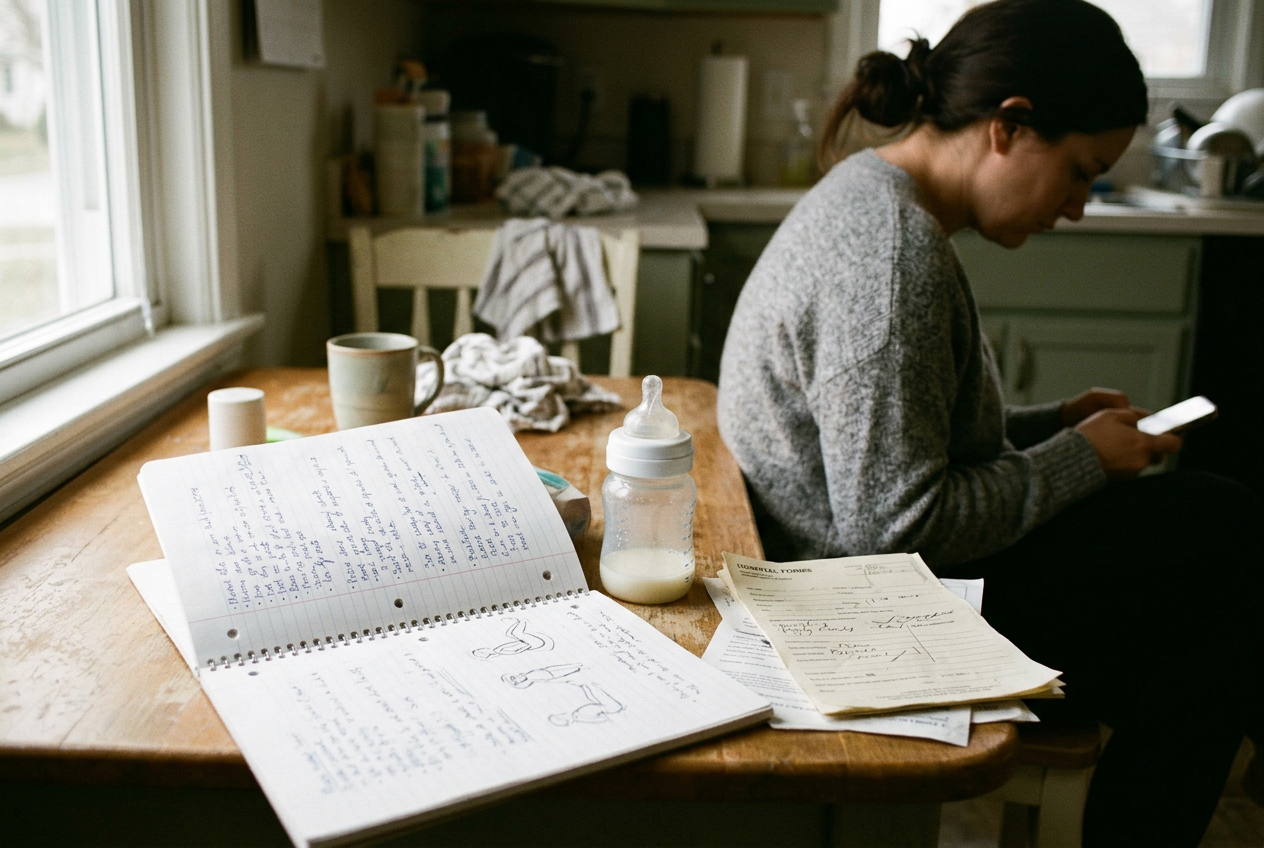
Doctors label this hyper-vigilance. I sit in a kitchen staring at the paperwork taped to the fridge with a magnet.
During my fourth scan in 2018, I tried to eliminate my anxiety. I cleaned grout with a toothbrush. I sent seven work emails in the early morning. By my eighth scan, I stopped trying to stay busy.
You feel afraid on the kitchen floor whether you clean it or not.
Carrying the glass to the brim
You walk across a crowded room. You cannot look away from the faces around you. You cannot rest.
You monitor every physical sensation so that you do not reveal your panic to your family when you sit together in the dining room after you finish your daily shift.
You endure scanxiety every day. You go to work on a weekday. You buy milk at the grocery store.
You answer text messages from friends while you hold your breath. You type polite replies while you track your anxiety. Your back aches from holding your posture rigid for fourteen days.
We invent quiet routines to survive. I check the hospital portal. I answer incoming phone calls from unknown numbers because I expect to hear a specialist delivering my medical results, even though the caller plays an automated recording about unpaid utility bills.
I rehearse both scenarios. I imagine the drop in my stomach when a favorable medical report arrives, until I picture the tone of a receptionist asking me to return to the hospital for further testing.
The hardest part of waiting is that you inhabit a life that might change on an afternoon, while you act as if that day will be ordinary.
Living in the ambiguous space
People treat this anxiety as a personal defect. Friends tell you not to think about it until you have the final facts. They mean well. They want to protect you.
Brain chemistry does not shut down on command. You cannot shut down your nervous system while a specialist examines shadows on a monitor, because your physical body anticipates medical danger even though you remain inside your house. To feel terrified during a wait is normal. You feel this way because you care about staying alive.
I scrubbed the kitchen tiles because physical movement distracted my brain. After eleven scans, I know that trying to force optimism wastes energy. You cannot bargain with a medical outcome. I prefer to state the truth.
I feel scared because my life is good. I want to keep living it.
What remains after eleven waits
The phone rings, or you sit across from a specialist reading a document. You hear the results at last. Sometimes the diagnosis alters your future. Sometimes you receive good news, take a breath, and walk outside.
The days move forward. The answer arrives. My paperwork sits on the desk, creased across the stamp.
Questions people ask
Why did waiting for scan results feel physically exhausting?
For fourteen days, she monitored every ache, headache, and phone call as a possible sign of danger or news. Holding her posture rigid and hiding panic from family left her back aching and her nervous system on alert.
How did she cope while waiting for medical results?
She cleaned grout, sent early work emails, checked the hospital portal, and answered calls from unknown numbers. After repeated scans, she learned that staying busy could distract her but could not eliminate the fear.
Did repeated scans make the waiting easier?
No. After eleven scans, the scanner and the wait still did not feel routine. She stopped forcing optimism and accepted that fear was a normal response to uncertainty and to wanting to keep living a good life.
One story a day
The story of the day, in your inbox
One health journey each morning — no advice, no alarm, just company for the road.