Her Cancer Scan Was Clear. Then Panic Began at the Grocery Store
Weeks after reassuring results, she left a full grocery cart and later fled a work meeting. Cancer treatment was over, but her fear had not ended.
 Nadia OkaforNarrator, Mind & Body
August 27, 2026 · 7 min read
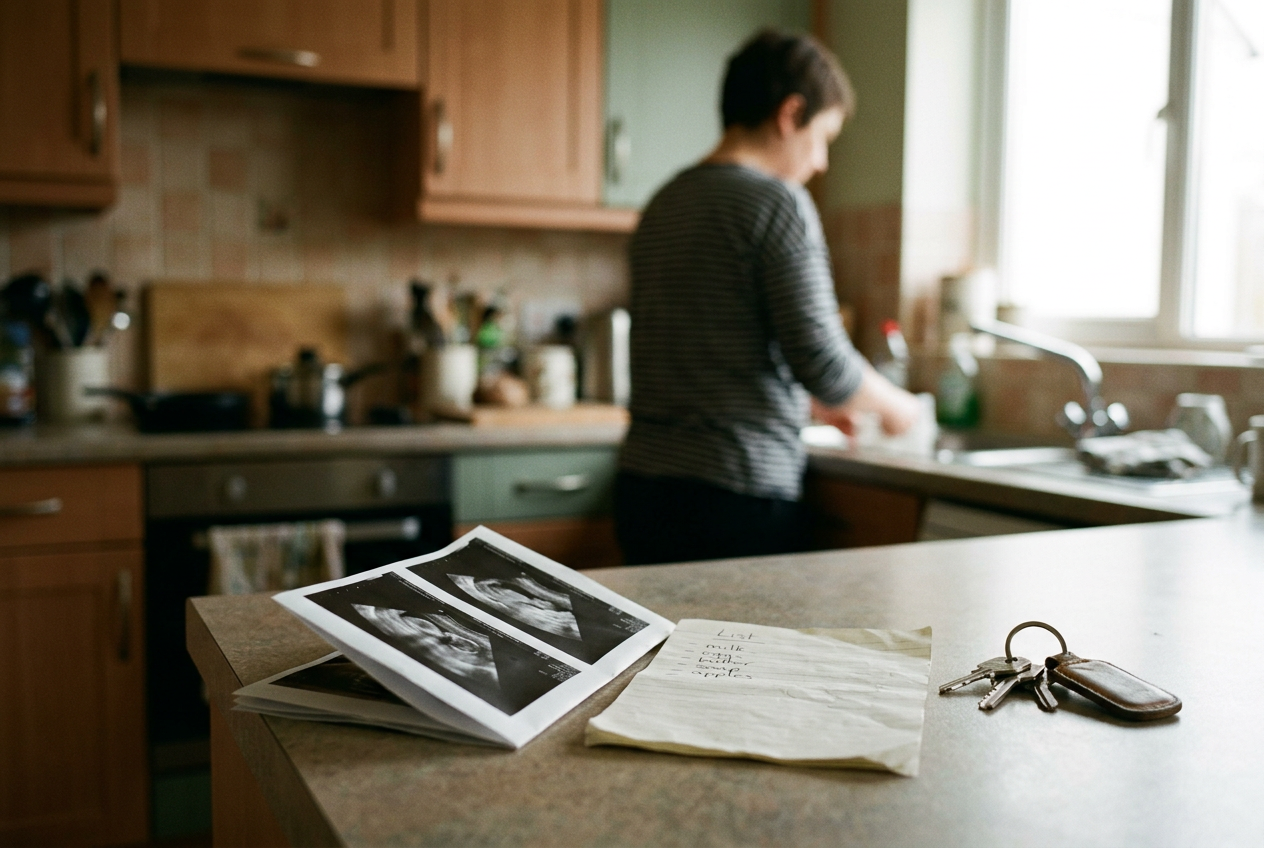
The printed scan report was folded inside her tote when she left a grocery cart beside the freezer cases and walked out of the store.
She had downloaded the report from the patient portal in September 2023, after her specialist called with reassuring results. Near the top was the line she kept rereading: “No evidence of recurrent disease.” Her family called the scan clear. Friends sent celebratory messages.
Her partner suggested dinner out, and she agreed because relief seemed like the feeling everyone had been waiting for.
Treatment had occupied eleven months. There was surgery, followed by six months of chemotherapy, then regular follow-up visits. She became used to preparing for the next medical task, completing it and waiting for someone in scrubs to tell her what came after that. Five months after chemotherapy ended, the scan report appeared in the portal.
She printed it at work. The paper felt more reliable than the screen, though the words were the same.
Three weeks later, she stopped at the grocery store on her way home. She had milk and rice in the cart when her heart began pounding hard enough to hurt. Her hands tingled against the handle. The freezer aisle seemed narrow, and although she could see people choosing food and pushing carts, she felt briefly separated from the ordinary scene around her.
Cancer was her first thought.
She abandoned the cart, reached her car and sat with the doors locked until her breathing slowed. The report was in her tote because she had meant to file it at home. She unfolded it across the passenger seat and found the reassuring line again, as if the paper could explain what had just happened.
It could not.
After the good news
The second episode happened at work six weeks later. She was listening during a video meeting when heat moved through her chest and her heartbeat accelerated. She turned off her camera, left the conference space and stood in a restroom stall, frightened by the physical sensations and ashamed that she could not make herself return.
Her supervisor knew about the cancer. When asked later whether the scan had been okay, she said yes. The answer was accurate, which made the rest difficult to explain.
People around her had treated the reassuring scan as a finish line. Her partner put the hospital folder in a drawer. Coworkers stopped lowering their voices when they asked about her health. Friends who had checked in throughout chemotherapy returned to talking about vacations, school pickup and office frustrations.
She wanted those conversations. She had missed being included in problems that had nothing to do with cancer.
She also felt abandoned.
During treatment, fear had an appointment attached to it: the next infusion, the next lab visit, the next conversation with her specialist. Once active treatment ended, her contacts with the cancer team became less frequent, while the people close to her appeared ready to regard the crisis as finished.
She had expected her own mind and body to agree.
After the work episode, she made an appointment with her primary care doctor and brought the scan report. The doctor reviewed what had happened in the store and at work, asked about her medical history, and did not dismiss the symptoms merely because she had recently received good news. After that evaluation, the words used for the episodes were panic attacks.
The term frightened her less than the episodes did. It also embarrassed her. She worried it suggested weakness, ingratitude or an inability to accept that she was fortunate. None of those judgments matched what had happened.
She was a person who had completed demanding cancer treatment, received a reassuring result and then experienced intense fear in two ordinary places.
A counselor who worked with cancer survivors helped her look at the timing without forcing it into one explanation. During treatment, her attention had stayed on immediate demands. She arranged rides, recovered from surgery and got through chemotherapy while continuing to work when she could. She had felt fear then, but there was often a practical task waiting beside it.
After treatment, there were fewer tasks. Her next specialist visit was four months away. She noticed sensations she had ignored before, and any change in her body could recall the months when a symptom, an appointment and a test result had altered the direction of her life.
The panic did not mean the scan had caused harm. It did not cancel her relief. No single account settled why it began when it did.
What the report could say
She carried the folded report for another two months. At first, it stayed in her tote by accident. Later, she knew it was there.
When her heart accelerated on a crowded elevator at work, she pressed her fingers against the paper through the fabric of the bag. She did not take it out. The report described what the scan showed in September 2023. It contained no statement about grocery stores, meetings or the fear of hearing bad news again.
That distinction became important. Her family had understood “clear” to mean that normal life could resume without cancer occupying every conversation. She had heard something larger in it, a promise that she would feel safe again. The clinical sentence had never made that promise.
Her specialist later described the result in similarly limited terms. It was reassuring information from that point in surveillance. Follow-up would continue. The conversation did not erase uncertainty, and she left without trying to turn it into certainty.
At work, she told her manager that she was having health effects after treatment and might occasionally need to step away from a meeting. She did not share more. The practical change was modest, but it removed the need to invent an excuse whenever she left a room, which had added shame to an experience that was already frightening.
She still worried about being watched. Once, after she exited a meeting, a colleague sent a message asking whether she was all right. She waited until later and replied that she was dealing with something related to her health. The colleague accepted the answer.
Seven months after the grocery store episode, she returned to the same store for milk. Near the freezer cases, her pulse accelerated and she noticed the exit. She kept one hand on the cart while another shopper passed, then stood there until the sensation diminished. There was no revelation.
She bought the milk.
The report was no longer in her tote. She had placed it with the hospital folder in the kitchen drawer, still folded along the same crease.
Questions people ask
Can panic attacks begin after a reassuring cancer scan?
In this composite story, the first panic attack happened three weeks after reassuring results. The timing did not mean the scan caused it. Her fear became more noticeable after active treatment ended, medical contact became less frequent and the people around her resumed their previous routines.
Does panic after treatment mean someone is ungrateful for good news?
She felt relieved by the result and frightened by what her body did afterward. Those feelings existed together. Her shame came partly from believing a cancer survivor was supposed to feel only grateful once treatment ended, an expectation that left little space for the effects of the previous eleven months.
How did she know the episodes were panic attacks?
She did not decide from the grocery store episode alone. After it happened again at work, her primary care doctor reviewed the symptoms and her medical history rather than treating the label as self-evident. Panic attack was the language used after that evaluation.
Did the clear scan stop feeling reassuring?
Later, she understood the report as a record of what the scan showed in September 2023, not a promise about how she would feel. She kept it because the result still mattered. It stayed folded with her follow-up papers in the kitchen drawer.
One story a day
The story of the day, in your inbox
One health journey each morning — no advice, no alarm, just company for the road.